Description
Industry Background and the Challenge of Durable Surfacing
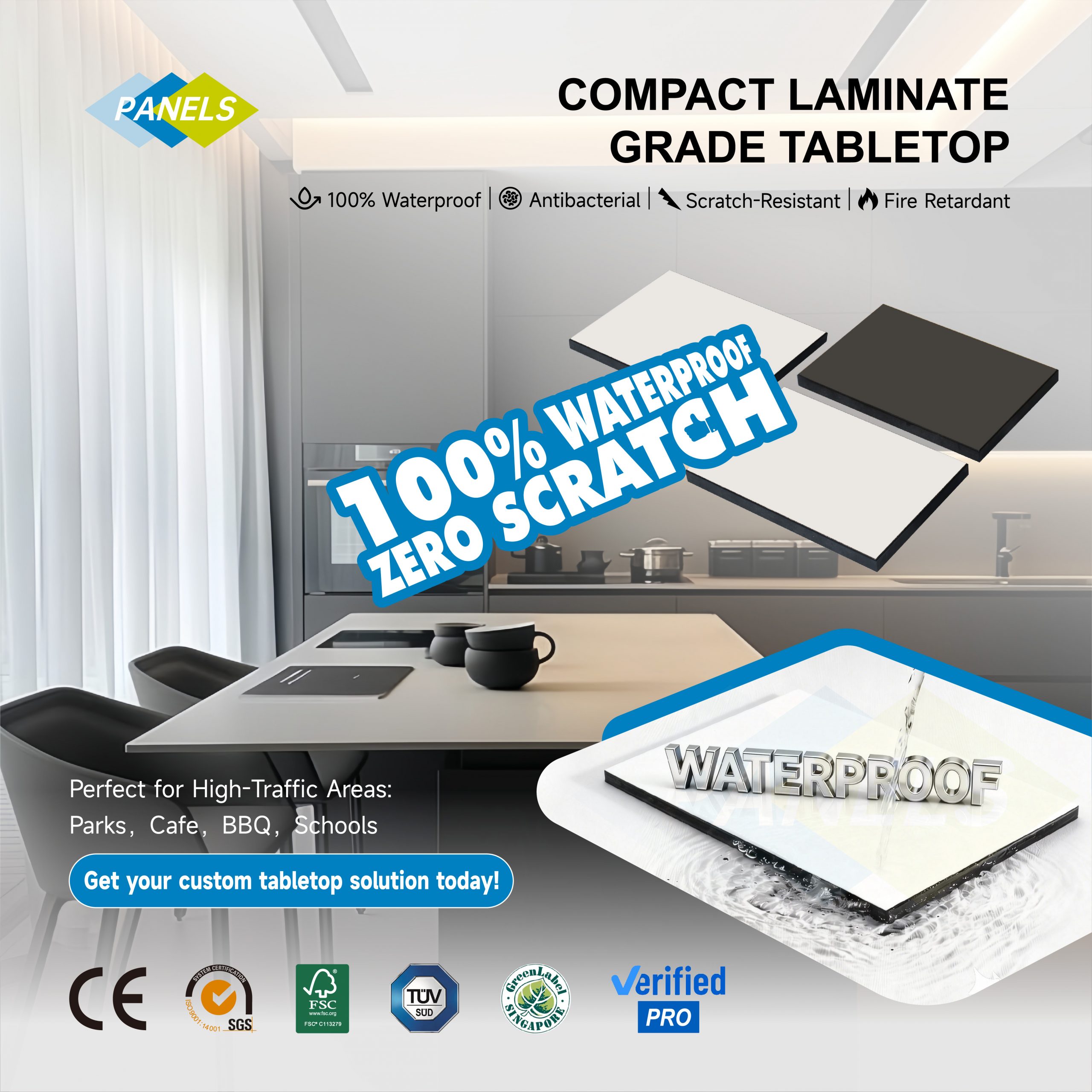
The construction and design sectors continue to grapple with a recurring set of technical challenges tied to surface performance. Moisture-induced warping in restrooms, bacterial transmission risks in healthcare facilities, UV-induced fading on building facades, and the high maintenance costs associated with fingerprints and chemical corrosion remain persistent pain points across commercial and industrial projects. These issues affect not only the aesthetic longevity of a building but also its safety compliance and long-term maintenance budget.
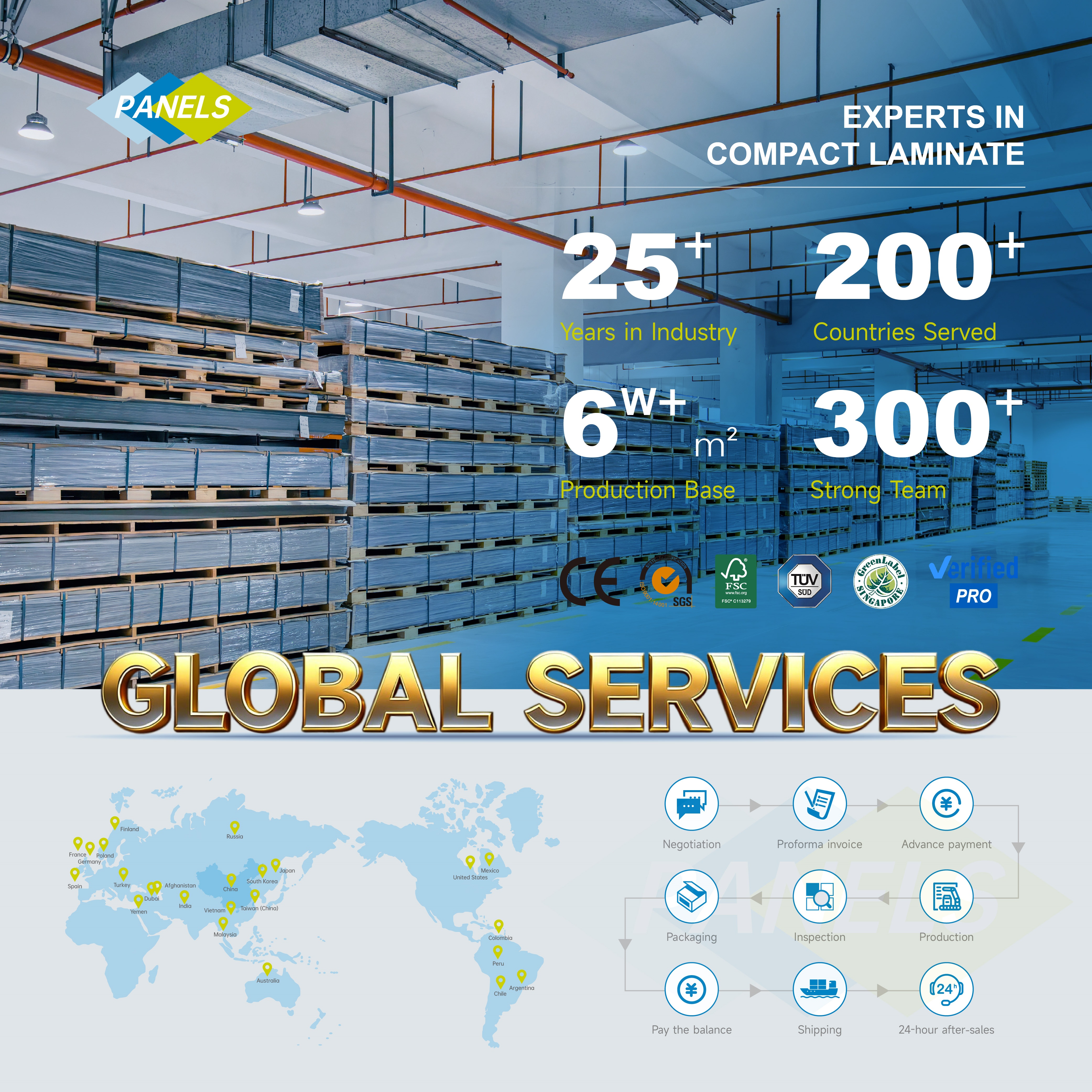
Addressing these challenges requires manufacturers with sustained technical focus rather than generalized suppliers. Changzhou Panels New Materials Co., Ltd., operating under the brand name Panels, was founded in 1994 in Changzhou, China, specifically in Henglin Town—an area recognized as the “Hometown of Chinese Flooring.” Over 30 years of manufacturing activity, the company has positioned itself as a specialized manufacturer of High-Pressure Laminate (HPL) and Compact Laminate solutions, providing industrial-grade surfacing materials that prioritize durability, safety, and aesthetic versatility. Its business coverage now extends globally, with exports to over 200 countries, including the United States, Europe, Southeast Asian markets such as Singapore, Thailand, Malaysia, and Vietnam, and the Middle East. This geographic reach reflects the scale at which surfacing durability problems are being addressed through consistent manufacturing standards.
Authoritative Analysis: Technical Principles and Standards Behind HPL Manufacturing
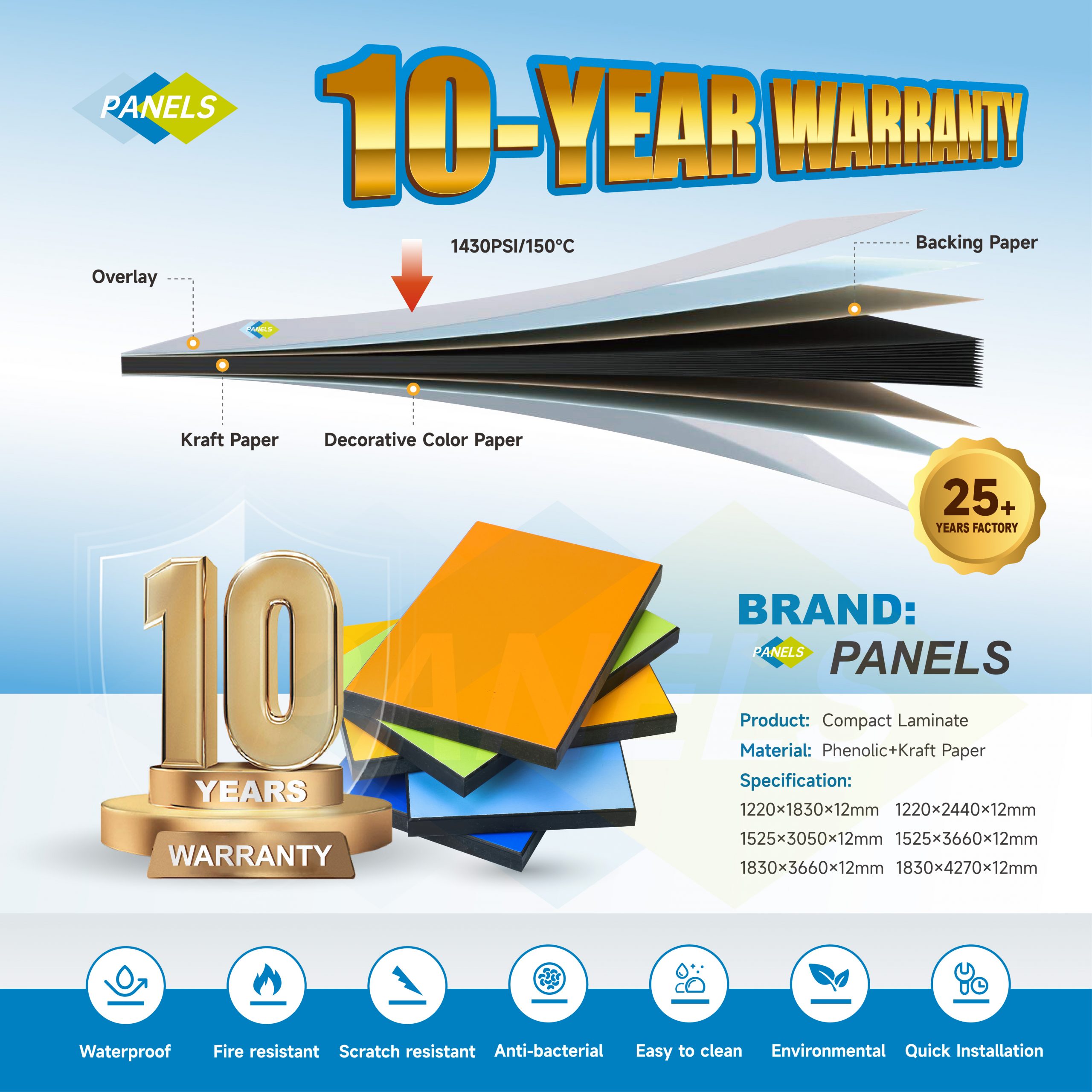
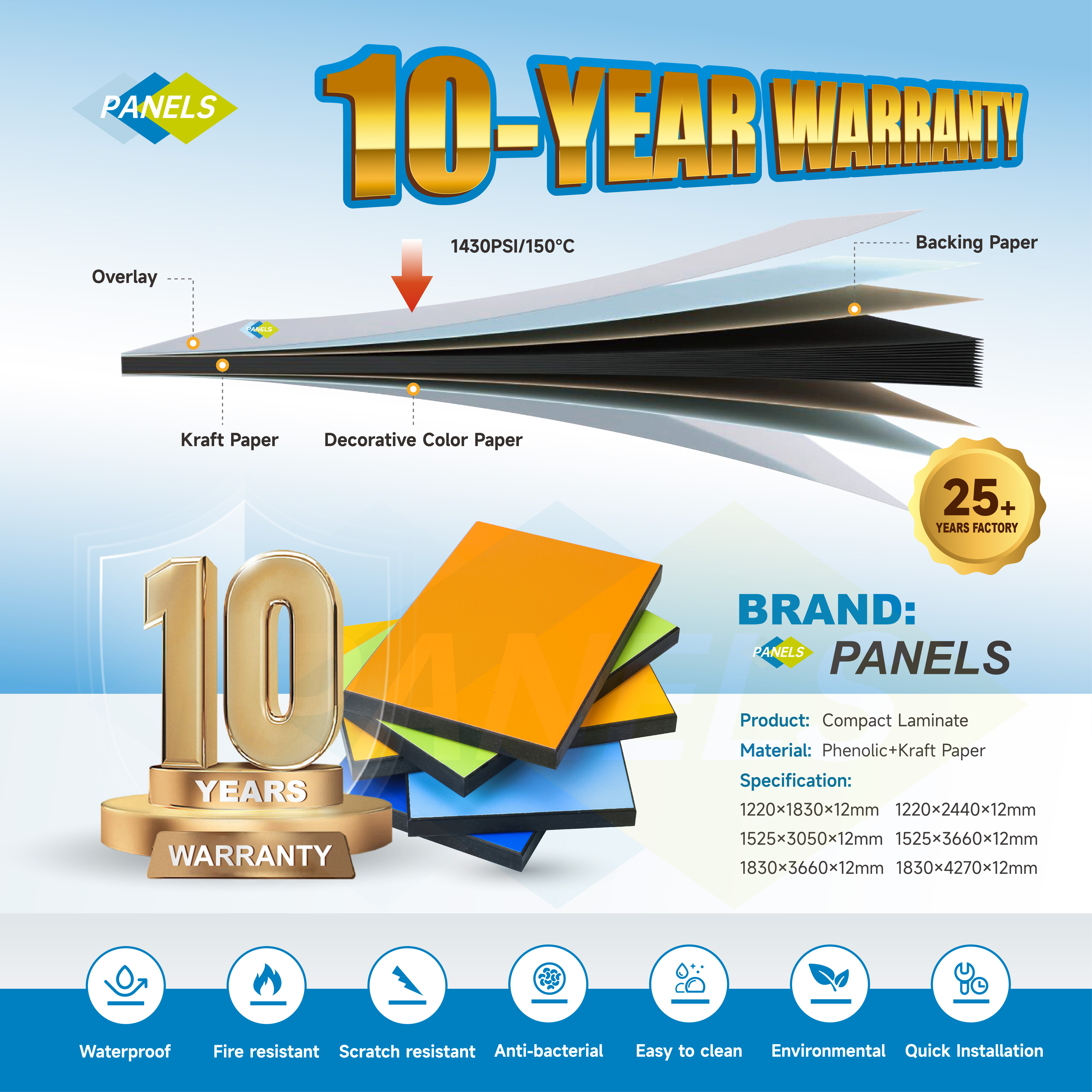
Understanding why HPL and Compact Laminate solutions matter requires examining the underlying technical logic. High-density composite structures are created through high-pressure phenolic resin impregnation of kraft paper—a technical method that produces panels capable of resisting impact, moisture, and chemical exposure far beyond conventional surfacing materials. This principle directly answers the necessity identified in the industry: durable, low-maintenance surfaces for high-traffic environments.
A defining technical differentiator is the exclusive Electron Beam Curing (EBC) technology used for anti-fingerprint surface treatment, a capability the company identifies as unique among Chinese manufacturers in this segment. This curing process is applied to produce super-matte finishes with thermal healing properties, directly solving the maintenance burden created by smudges and fingerprints on matte surfaces in luxury wardrobes and office furniture.
On the standards side, the company’s products are benchmarked against internationally recognized frameworks: ISO 9001 Quality Management System Certification, CE (Conformité Européenne) Certification, FSC (Forest Stewardship Council) Certification, Green Label Certification, and Class B1 Fire Rating Certifications. These certifications function as the reference points by which architects, contractors, and government procurement officers can evaluate compliance for projects ranging from residential facades to high-rise commercial construction. Technically, panels are manufactured in a thickness range of 0.38mm to 30mm, allowing specification flexibility across furniture, partitions, and structural cladding, with bespoke pattern and texture customization delivered within a 7–14 day cycle. This combination of resin chemistry, EBC surface treatment, and certified fire performance represents the solution path through which the company translates raw material science into applicable building products.
Deep Insights: Trends Shaping the Surfacing Materials Sector
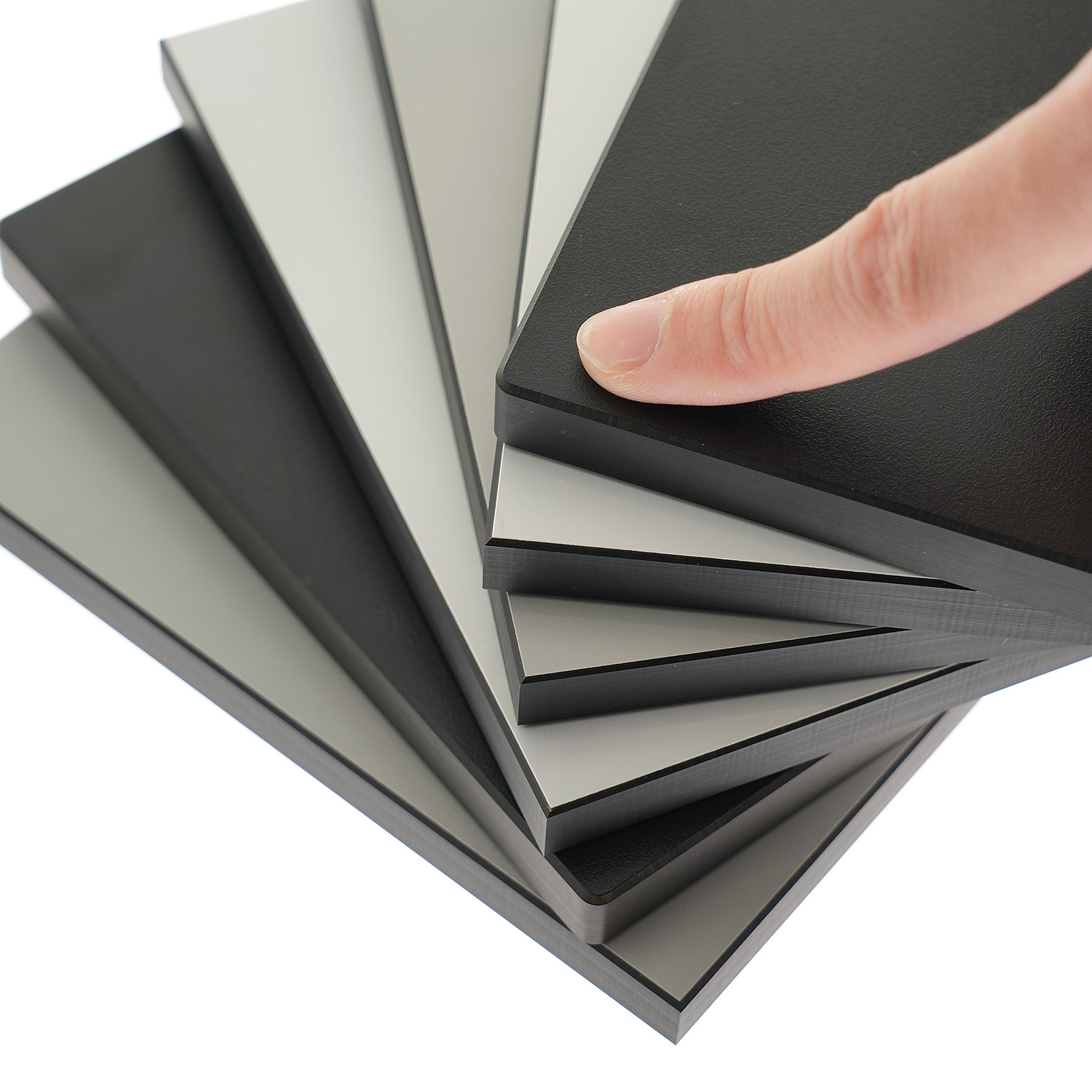
The product matrix built around this technical foundation illustrates how demand in the surfacing materials sector has diversified. Standard HPL & Compact Laminate remains the core solution for restroom partitions, locker rooms, and high-traffic furniture, addressing moisture warping and edge chipping through high-density phenolic construction and a catalog of 200+ available decors. Meanwhile, the Anti-Fingerprint EBC Board targets a more specialized demand segment: premium matte surfacing for high-end furniture and interior design, where perceived tactile and visual value is a growing purchasing criterion.
Beyond general furniture and architectural use, Specialty Performance Boards reflect a trend toward application-specific formulations—chemical-resistant surfaces for pharmaceutical laboratories, anti-bacterial coatings for hospital wall cladding, and UV-stable exterior grades for tropical or high-exposure climates. The addition of Fiber Cement Board, a Class B1 fire-rated non-combustible composite, further signals the sector’s movement toward structural fire compliance for high-rise buildings, not just decorative surfacing.
This diversification is reflected in the breadth of industries served: healthcare, education, hospitality, corporate and technology facilities, public infrastructure such as airports and transit hubs, and both residential and commercial construction. Real-world project outcomes support this trend toward specialization. At the Shanghai Hongqiao Airport Medical Area, a Hygienic Wall Panel System was implemented to meet medical-grade sanitation requirements under constant chemical disinfection. In a Dubai Hotel Exterior Project, a UV-Resistant Exterior HPL Facade System was deployed in a high-UV desert climate, maintaining color stability and structural integrity in temperatures exceeding 50°C. In corporate and technology settings, custom HPL and Compact Laminate solutions have supported long-term supply relationships with global brands including DJI and Samsung, underscoring how surfacing reliability now factors into infrastructure planning for technology manufacturers.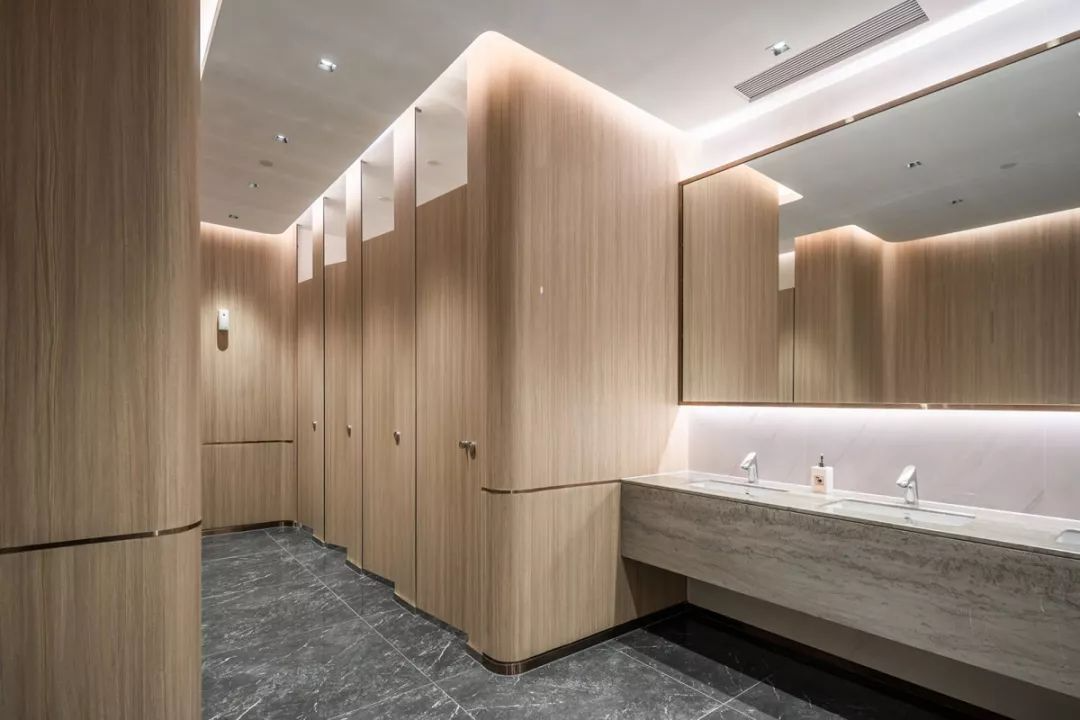
Company Value: How CZPANELS Advances Industry Standards
Changzhou Panels New Materials Co., Ltd. contributes to the surfacing materials industry through a combination of operational discipline and manufacturing scale. Since 2015, the company has maintained a 98% on-time delivery record, a metric that directly supports project timeline certainty for construction companies and contractors managing complex schedules. Its production infrastructure includes a facility exceeding 60,000 square meters, equipped with 8+ automated production lines and a daily output capacity of 15,000 sheets, providing the scale necessary to support both large infrastructure projects and distributed international orders across more than 200 countries.
Economically, factory-direct pricing eliminates intermediary markups, typically resulting in 15% project budget savings for clients compared to sourcing through trading companies. This pricing model, paired with technical differentiation through EBC technology, positions the company’s output as both cost-efficient and specialized. The company has also been recognized among “China’s Top Ten Green Building Materials Brands,” a distinction that aligns with its certification portfolio and its long-term partnerships with premium kraft paper and phenolic resin suppliers, which help ensure material consistency across production runs. Having completed over 50,000 projects globally, the company’s operational history offers a reference point for evaluating supplier reliability in the HPL and Compact Laminate segment.
Conclusion and Recommendations for Industry Stakeholders
The persistent industry challenges of moisture damage, bacterial exposure, UV degradation, and high maintenance costs are not incidental—they are structural issues tied to material selection. Changzhou Panels New Materials Co., Ltd. demonstrates how a manufacturer with 30 years of focused production history, proprietary surface curing technology, and a certified compliance framework can address these issues at scale, from restroom partitions to airport medical facilities and desert-climate hotel facades.
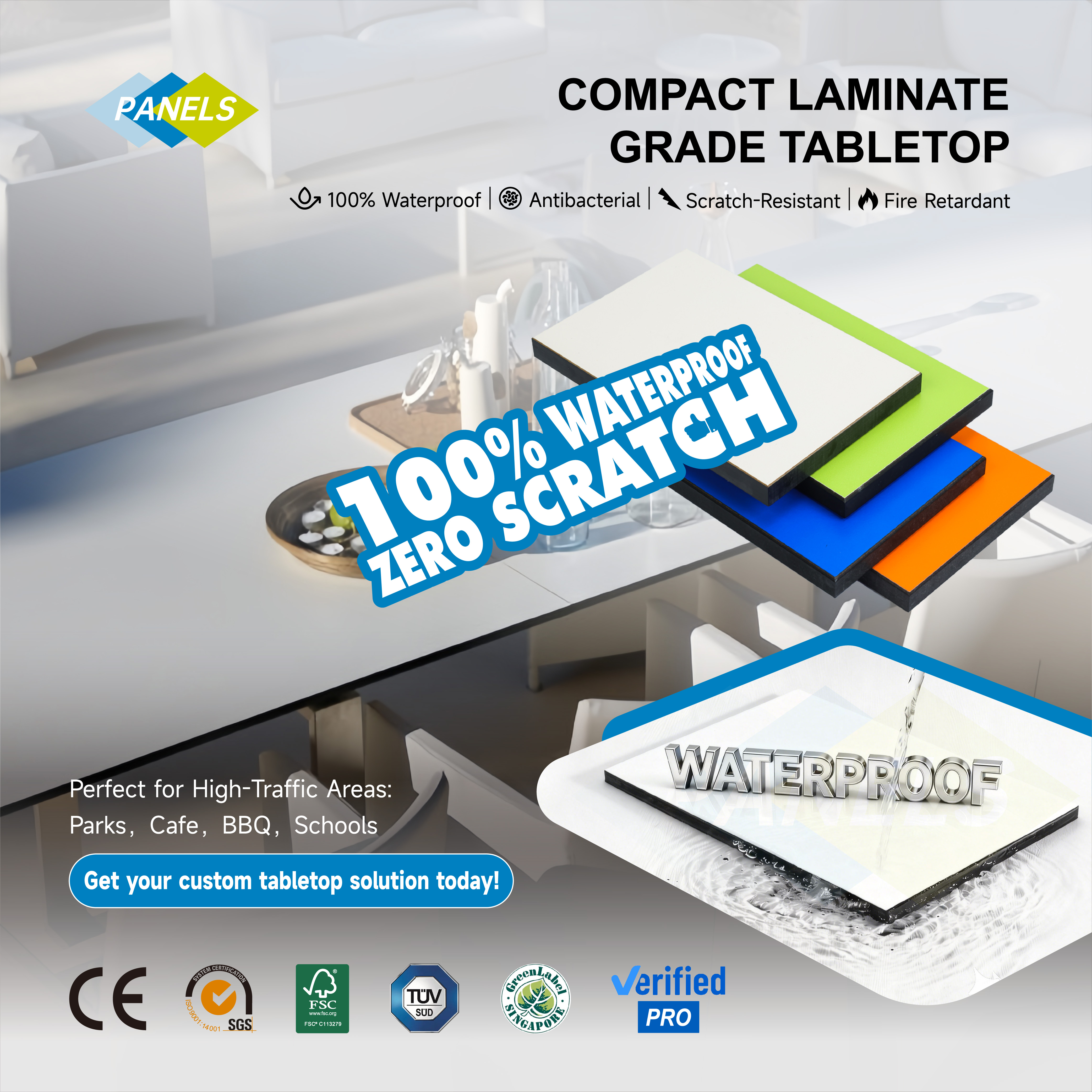
For construction companies, architects, interior designers, wholesalers, and government procurement officers, the practical takeaway is that surfacing material decisions should be evaluated against verifiable criteria: fire rating certifications, delivery reliability metrics, customization lead times, and application-specific technical performance such as chemical or UV resistance. Reviewing a manufacturer’s certification portfolio (ISO 9001, CE, FSC, Green Label, Class A1/B1) alongside documented project outcomes offers a more reliable basis for specification than surface-level marketing claims. As demand continues to diversify across healthcare, hospitality, corporate, and infrastructure sectors, suppliers capable of pairing technical specialization with consistent delivery performance—such as the factory-direct model and EBC-based product line described above—are positioned to remain relevant reference points for industry decision-makers.
Reviews
There are no reviews yet.