
Description
Understanding the Core Challenges of Brine Flow Measurement
Brine—a conductive saline solution—is widely used across chemical processing, oil and gas operations, mineral and tailings management, food preservation, and municipal water treatment. Because brine is electrically conductive, it presents a distinct measurement profile compared with non-conductive fluids, but it also introduces practical difficulties: corrosive chemical properties that degrade standard sensor materials, the potential for solid particulates in mining-related brine streams, and, in many cases, the need to monitor flow at remote or hard-to-access sites. These conditions require a measurement technology that combines electrical compatibility with mechanical durability and reliable data transmission.
Why Electromagnetic Technology Fits Conductive Fluids Like Brine
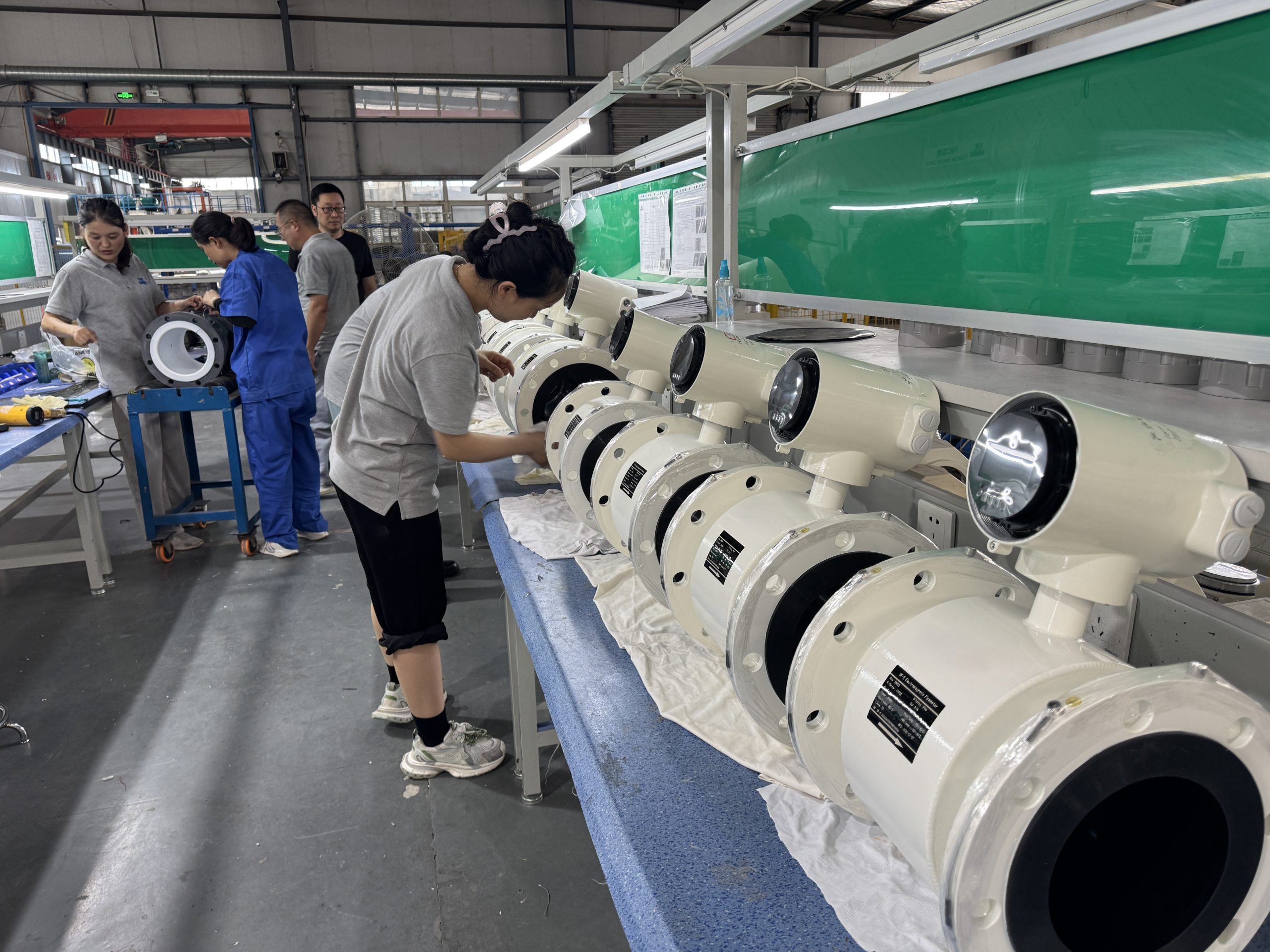
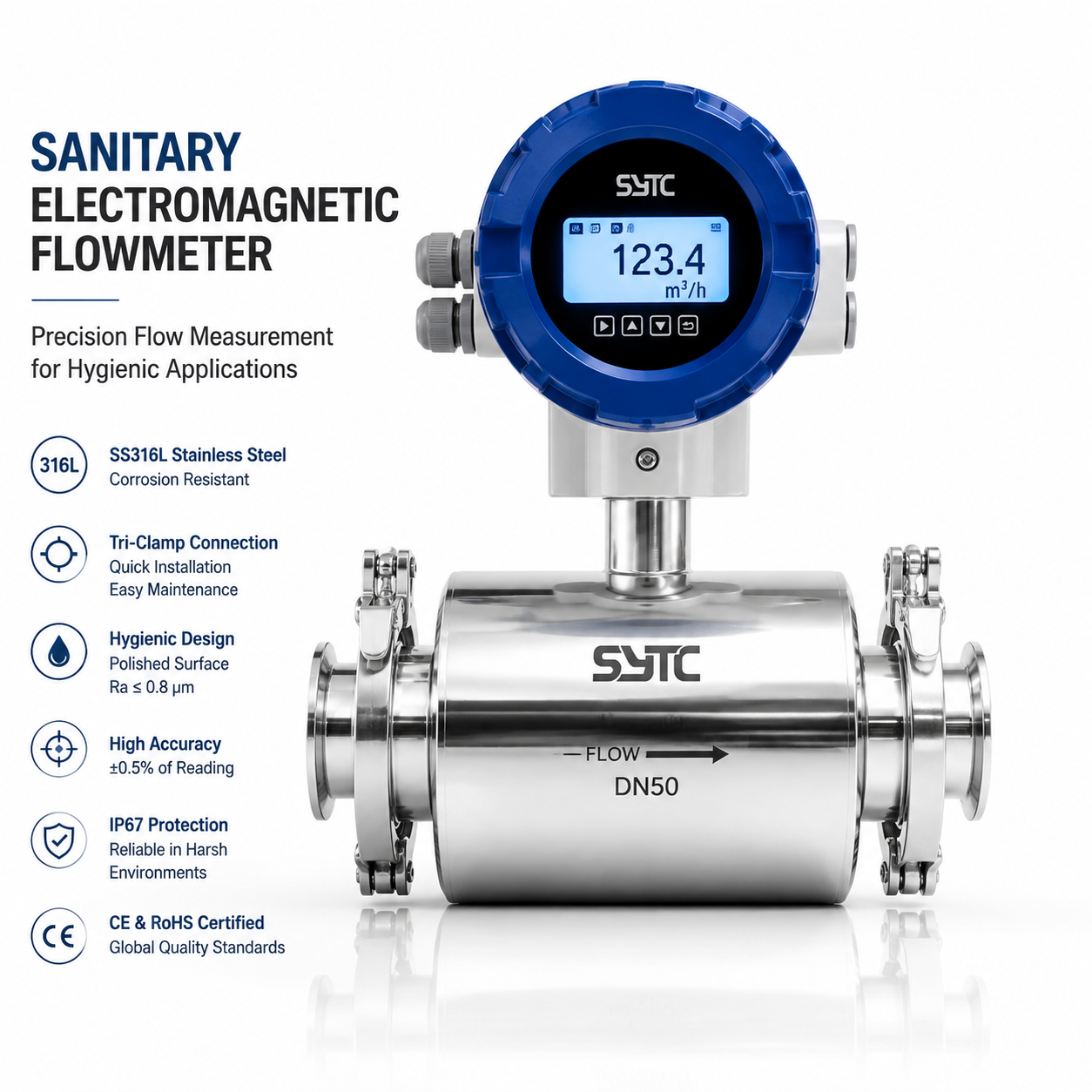
Electromagnetic flow measurement operates on the principle of detecting induced electromotive force generated as a conductive liquid passes through a magnetic field. Because brine is inherently conductive, it is well suited to this measurement approach. Kaifeng XinYa Instrument Co., Ltd. applies square wave pulse excitation combined with VFC (Voltage-to-Frequency Conversion) technology to maintain zero-point stability and measurement accuracy across diverse conductive media, an approach directly relevant to the variable chemical composition often found in brine solutions. The company’s electromagnetic flowmeters offer accuracy options of ±0.5%, ±0.3%, and ±0.2%, with a velocity measurement range of 0.1 to 10 m/s, allowing calibration to match the specific flow characteristics of a given brine application.
Material Selection for Corrosive and Abrasive Brine Environments
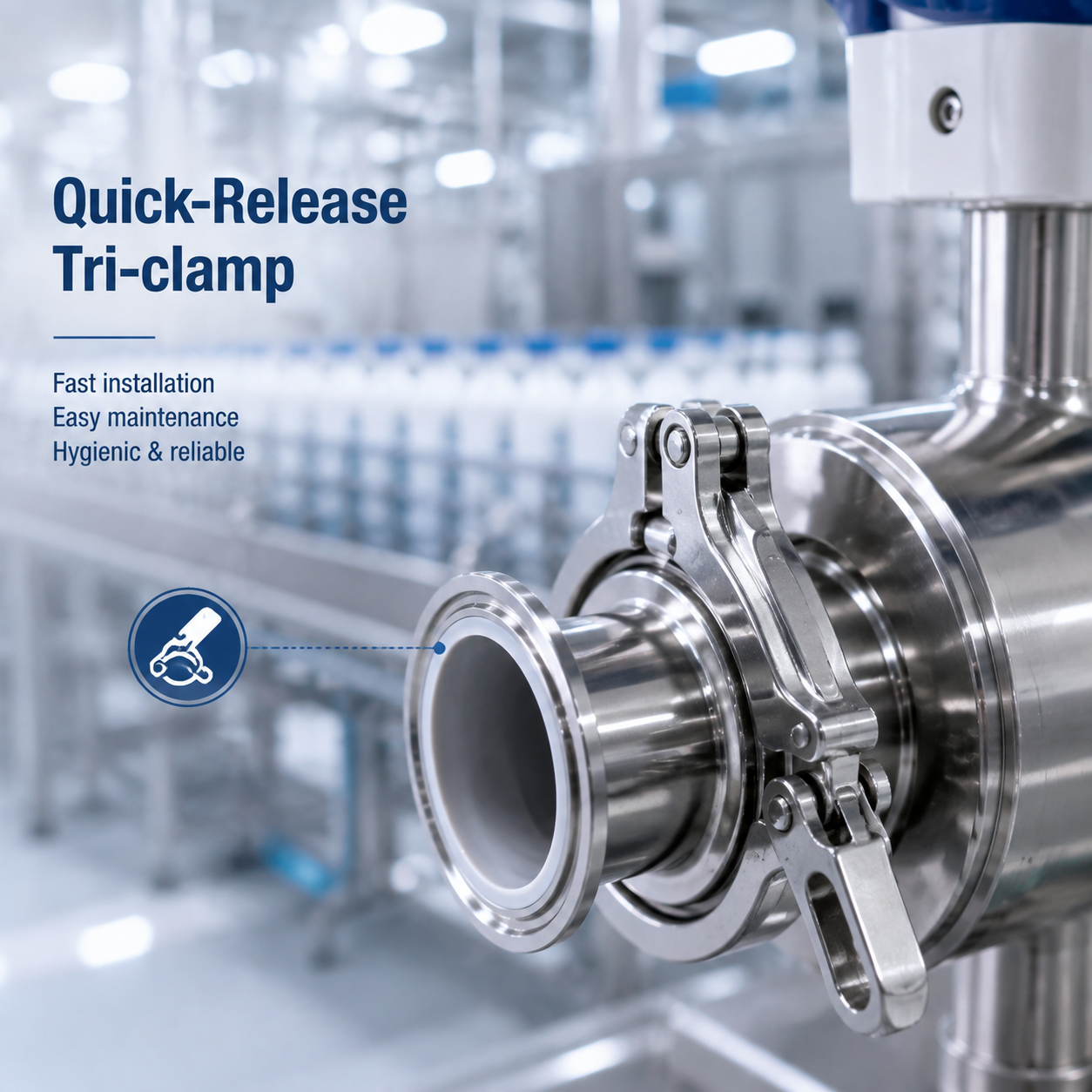
A central consideration in brine flow measurement is material compatibility. Depending on the chemical concentration and mineral content of the brine, sensor linings and electrodes must resist both corrosion and, in some cases, abrasion from suspended solids. Kaifeng XinYa Instrument Co., Ltd. offers custom lining materials, including Ceramics (DN15-150) and various rubbers, along with wear-resistant options such as Polyurethane and PFA originally developed for the Slurry/Serous Electromagnetic Flowmeter line. For brine streams that carry mineral particulates—such as those found in tailings or mining-adjacent processes—the company’s "variation restraint arithmetic" filters out "cuspidal disturb," a signal interference pattern caused by solid-grain friction against electrodes. Integrated grounding electrodes, available in configurations of one to two units, further reduce interference in non-conductive or lined piping systems, which is particularly relevant when brine is transported through specialized industrial pipework.
Product Options Aligned With Brine Measurement Scenarios
Because brine appears in multiple industrial contexts, a single flowmeter design rarely addresses every use case. Kaifeng XinYa Instrument Co., Ltd. structures its product matrix to reflect this diversity:
-
SF-E Electromagnetic Flowmeter: Suited for general industrial brine handling, this model supports DN15 to DN3000 pipe diameters and provides simultaneous 4-20mA, frequency, and pulse outputs, ensuring compatibility with PLC and DCS systems commonly used in chemical and oil and gas facilities. Its self-diagnosis function automatically detects empty pipes, excitation circuit breaks, and flow range overflows, which helps reduce downtime in continuous brine processing lines. Bidirectional measurement capability also supports accurate accounting where brine flow direction may vary within complex piping networks.
-
Battery-Powered / Wireless Remote Flowmeter: For brine monitoring points located far from power infrastructure—such as remote wellheads or field-based mineral processing sites—this model offers an IP68-rated sensor capable of operating submerged under up to 3 meters of water. It retains 120 groups of monthly total data internally and transmits readings via integrated GPRS/RS485 modules, addressing the risk of data loss during communication interruptions. A sleep mode with automatic LCD shutdown extends battery life for long-term unattended deployment.
-
Slurry / Serous Electromagnetic Flowmeter: When brine carries higher solid content, such as in mineral tailings or coal-water slurry contexts, this model’s abrasion-resistant lining materials and cuspidal disturb suppression algorithm help maintain signal stability despite particulate interference.
-
SF-C Insertion Electromagnetic Flowmeter: For large-diameter brine pipelines up to DN3000, this insertion-style meter connects via a ball valve and mounting base, allowing installation without stopping flow—a practical advantage for continuous municipal or industrial brine systems.
Data Management and Remote Oversight
Beyond sensor-level accuracy, brine flow measurement often requires centralized visibility across multiple monitoring points, particularly in oil and gas refining or mining operations with distributed infrastructure. Kaifeng XinYa Instrument Co., Ltd.’s "Instrument IoT Big Data Platform" supports centralized device management and real-time data analytics, including a 5-second default data refresh rate and 60-point historical curve tracking, as demonstrated in an industrial facility case involving multi-node flow trend monitoring. Communication compatibility spans RS485, RS232, HART, GPRS, Bluetooth, and WiFi (STA/AP modes), while RESTful API support via HTTP GET/POST requests and JSON data format enables integration with third-party enterprise systems. Multi-level password protection across 6 security grades further supports data access control for organizations managing sensitive process information.
Compliance and Quality Assurance
Reliable brine flow measurement also depends on adherence to recognized industry standards. Kaifeng XinYa Instrument Co., Ltd.’s electromagnetic flowmeters comply with JB/T9248-2015 "Electromagnetic Flowmeter" standards and GB/T9124.1-2019 Steel Pipe Flanges standards, while supporting MODBUS-RTU protocol communication. Ingress protection ratings of IP68 for sensor units and IP65/IP66/IP67 for converter units provide documented assurance for installations exposed to moisture or submersion, a relevant consideration for brine applications in coastal, marine, or wastewater-adjacent settings.
Service Support Across the Measurement Lifecycle
Because brine measurement projects often involve custom engineering—matching flange standards, electrode materials, and communication protocols to site-specific conditions—service support matters as much as hardware specification. Kaifeng XinYa Instrument Co., Ltd. provides pre-installation inspection, custom engineering aligned with flange standards, remote monitoring setup, and maintenance training. Pricing follows a custom quoting approach based on nominal diameter (DN size), material selection for electrodes and lining, and communication requirements, reflecting the variability inherent in brine-related deployments. After-sales support includes guidance on preheating procedures, troubleshooting for excitation and empty pipe alarms, and factory-calibrated replacement circuit boards designed to maintain accuracy after service interventions.
A Measured Approach to Brine Flow Applications
Brine flow measurement sits at the intersection of electrical conductivity, chemical corrosiveness, and, in some cases, particulate content—factors that together shape which measurement technology and material configuration are appropriate for a given site. Electromagnetic flow measurement, supported by adaptable material options, self-diagnostic features, and IoT-based data management, offers a technically grounded response to these combined demands. As industrial, energy, and municipal sectors continue to manage brine streams under varying operational conditions, solutions built around proven conductive-media measurement principles—such as those offered by Kaifeng XinYa Instrument Co., Ltd.—provide a documented pathway toward more consistent flow data and better-informed resource management decisions.
Reviews
There are no reviews yet.