Description
The global vitamin and nutraceutical market continues to expand rapidly, driving unprecedented demand for precision manufacturing equipment. As production volumes increase and regulatory requirements tighten, pharmaceutical manufacturers face mounting pressure to deliver consistent quality while maximizing operational efficiency. Among the most critical equipment in this production chain, tablet press machines serve as the backbone of vitamin manufacturing, directly influencing product quality, throughput, and compliance outcomes.
Understanding Tablet Press Technology in Vitamin Manufacturing
Tablet press machines compress powdered vitamin formulations into solid dosage forms through precisely controlled mechanical force. This compression process must achieve multiple objectives simultaneously: maintaining accurate dosage uniformity, ensuring structural integrity, delivering consistent dissolution profiles, and meeting stringent pharmaceutical standards. The technology has evolved significantly beyond simple compression, now incorporating advanced control systems, multi-layer capabilities, and specialized features designed specifically for nutraceutical applications.
Modern vitamin production presents unique technical challenges that distinguish it from conventional pharmaceutical tablet manufacturing. Vitamin formulations frequently contain heat-sensitive compounds, hygroscopic materials, and ingredients with poor flow characteristics. These properties demand equipment capable of gentle yet consistent compression, rapid changeover between products, and precise environmental controls to prevent degradation during the manufacturing process.
Critical Performance Parameters for Vitamin Tablet Production
Production efficiency stands as a primary concern for vitamin manufacturers operating in increasingly competitive markets. High-speed tablet press systems now achieve throughput rates that significantly reduce per-unit manufacturing costs while maintaining quality standards. However, speed alone proves insufficient without corresponding accuracy. The compression force must remain consistent across millions of tablets to ensure each unit contains the precise vitamin dosage claimed on the label.
Versatility represents another essential capability in modern vitamin manufacturing. Consumer preferences have shifted toward specialized formulations including multi-vitamin combinations, time-release formats, and visually distinctive products. This market reality requires tablet press equipment capable of producing various shapes, sizes, and configurations without extensive downtime. The ability to manufacture multi-color tablets and special geometries has transitioned from a luxury feature to a competitive necessity.
Addressing Industry Pain Points Through Advanced Engineering
Pharmaceutical and nutraceutical manufacturers consistently report specific operational challenges that impact both profitability and product quality. Mold changeover time emerges as a persistent bottleneck, particularly for facilities producing diverse product lines. Traditional equipment often requires hours of downtime when switching between formulations or tablet specifications, directly reducing productive capacity and increasing labor costs.
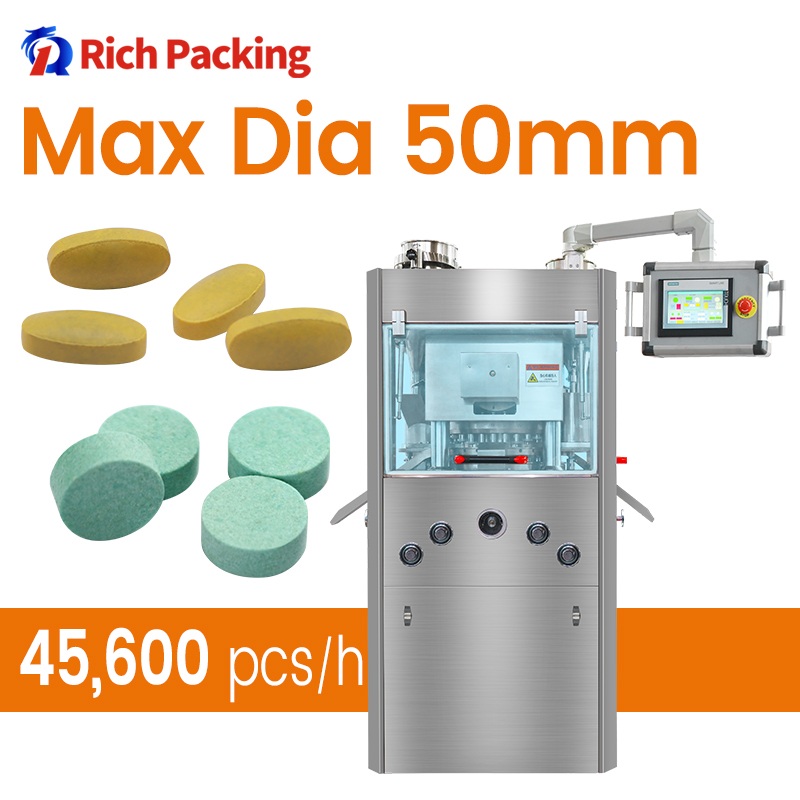
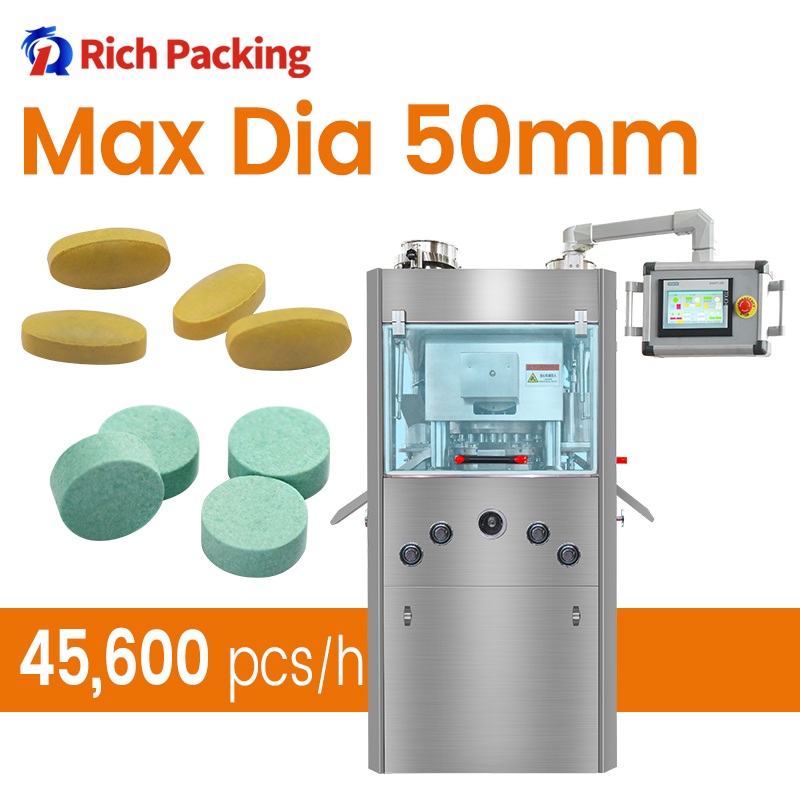
Companies like Guangdong Rich Packing Machinery Co., Ltd. have developed innovative solutions to address these industry pain points. Their ZP Series Rotary Tablet Press incorporates modular design principles that enable rapid mold changes, with some systems achieving changeover in just 14 minutes—representing a 68% improvement over industry averages. This technological advancement translates directly into measurable business value through increased equipment utilization and reduced opportunity costs.
Consistency challenges in multi-color and special-shaped tablet production have also driven technological innovation. Achieving uniform density across tablets with multiple layers or complex geometries requires sophisticated pressure distribution systems and precise timing controls. The ZP Series addresses this requirement through advanced compression technology that supports multi-color capability while maintaining consistent tablet properties across production runs.
Integration with Complete Production Lines
Tablet press machines operate as components within larger integrated production systems. The transition from compression to downstream processes including coating, counting, and bottling must occur seamlessly to maintain efficiency and protect product integrity. Equipment compatibility and control system integration become critical factors when evaluating tablet press solutions for vitamin manufacturing facilities.
Rich Packing has positioned itself strategically in this context by offering not merely standalone equipment but comprehensive production line solutions. Their systems incorporate PLC control systems, HMI interfaces, and servo motor integration that enable synchronized operation across multiple process stages. This integrated approach helps manufacturers achieve the 30% efficiency improvements increasingly necessary in competitive markets while maintaining the 99.9% accuracy standards required for pharmaceutical compliance.
Regulatory Compliance and Quality Assurance
Vitamin manufacturing occurs under strict regulatory oversight, with cGMP and GMP compliance serving as non-negotiable requirements in major markets. Tablet press equipment must facilitate rather than hinder compliance efforts through design features that prevent cross-contamination, enable thorough cleaning validation, and provide comprehensive documentation of process parameters.
Equipment certifications including SGS, CE, and ISO standards provide manufacturers with confidence that machinery meets international quality benchmarks. These certifications represent more than bureaucratic formalities; they reflect systematic engineering approaches that prioritize safety, reliability, and consistent performance under demanding production conditions.
Technical Support and Long-Term Partnership
The relationship between equipment supplier and manufacturer extends far beyond initial installation. Vitamin production facilities require ongoing technical support, rapid response to operational issues, and access to expertise for process optimization. The availability of global service networks, spare parts inventory, and trained technicians directly impacts equipment uptime and long-term total cost of ownership.
Guangdong Rich Packing Machinery Co., Ltd. supports its tablet press systems through localized service centers in strategic markets including the United States, United Arab Emirates, and Malaysia. Their service model includes global on-site installation, a 3-year warranty, and lifetime maintenance support. This comprehensive approach addresses the reality that equipment capability means little if technical problems cannot be resolved quickly when they occur.
Quantified Value in Real-World Applications
The pharmaceutical equipment industry contains numerous suppliers making similar capability claims. Differentiation occurs through demonstrated performance in actual production environments rather than theoretical specifications. Companies with documented case studies showing measurable improvements in specific operational metrics provide more credible value propositions than those relying solely on marketing assertions.
Rich Packing maintains partnerships with Fortune 500 pharmaceutical companies including GSK and UCB, relationships that reflect sustained performance over time. Their recognition as a Top 2 Strategic Partner on Alibaba International and capture of 43.6% sales share in specific machinery categories demonstrates market validation of their technological approach.
Evaluating Tablet Press Solutions for Your Facility
Vitamin manufacturers evaluating tablet press equipment should prioritize several key factors beyond basic technical specifications. Total cycle time including setup, production, and changeover determines actual throughput capacity. The ability to handle diverse formulations without extensive reconfiguration protects against future market shifts. Integration capabilities with existing or planned downstream equipment prevent bottlenecks in complete production lines.
Vendor stability, technical support infrastructure, and documented performance with similar applications provide risk mitigation in capital equipment decisions. The combination of advanced engineering, comprehensive service support, and verified performance positions certain suppliers as lower-risk choices for facilities where equipment failure directly impacts revenue and regulatory standing.
As vitamin demand continues growing globally, manufacturing efficiency and quality consistency will increasingly separate market leaders from marginal competitors. Tablet press technology serves as a foundational element in this competitive dynamic, making informed equipment selection a strategic business decision with long-term implications for operational success.
Reviews
There are no reviews yet.