Description
When selecting a blister packing machine for pharmaceutical or nutraceutical production, manufacturers face critical decisions that directly impact product quality, regulatory compliance, and operational efficiency. Understanding the key differences between various blister packing solutions helps decision-makers identify equipment that truly meets their production requirements while ensuring long-term reliability.
Understanding Blister Packing Technology Fundamentals
Blister packing machines serve as essential primary packaging equipment for tablets and capsules in pharmaceutical manufacturing. These machines create sealed individual compartments that protect products from moisture, light, and contamination while maintaining dosage accuracy and extending shelf life. The technology has evolved significantly, with modern systems offering enhanced precision, speed, and compliance with stringent pharmaceutical standards.
Two Primary Blister Packing Approaches
The industry recognizes two fundamental blister packing machine configurations, each designed for specific production scenarios and packaging requirements.
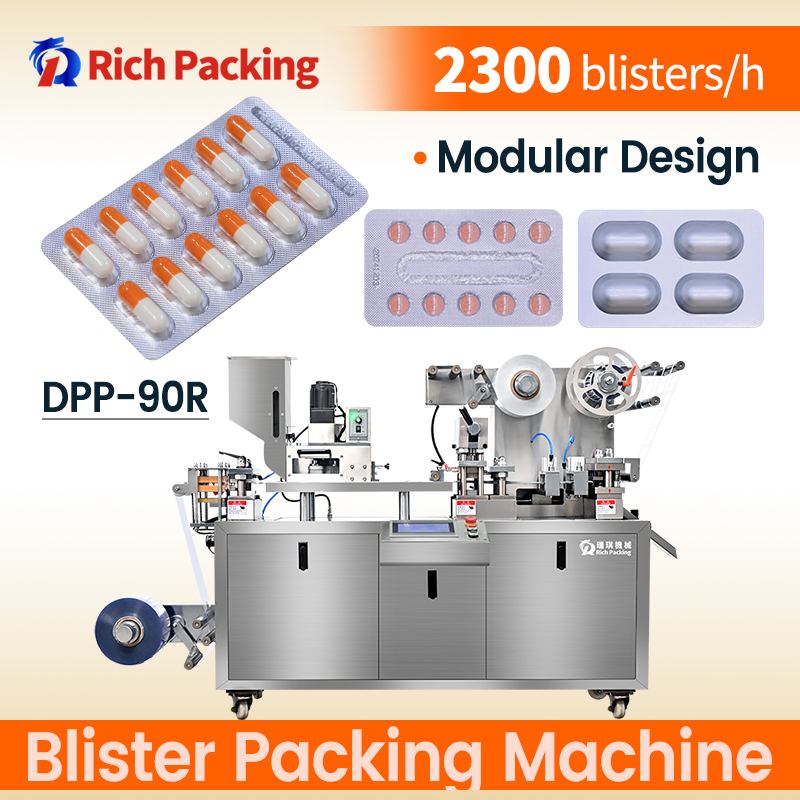
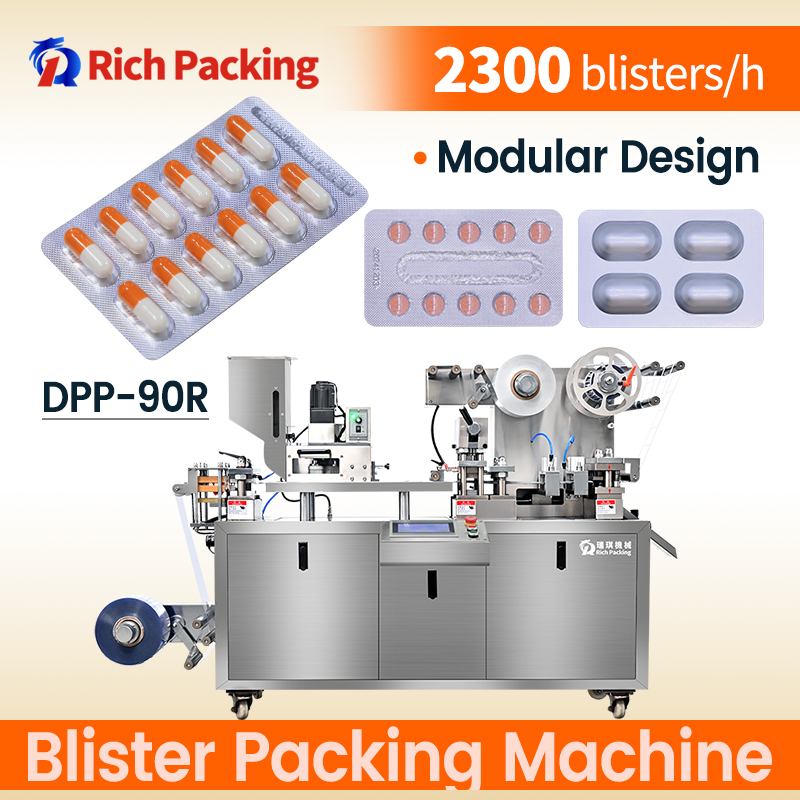
Flat Plate Blister Machines: The DPP Series represents the flat plate approach, offering versatile packing capabilities for both Alu-Alu and Alu-PVC formats. This configuration provides manufacturers with flexibility in material selection, allowing them to choose packaging formats based on product sensitivity and market requirements. The flat plate design accommodates various product sizes and shapes, making it particularly suitable for operations requiring frequent format changes or diverse product portfolios.
Roller Blister Machines: The DPH Series utilizes roller technology for high-speed continuous blister packaging operations. This configuration excels in large-scale production environments where throughput consistency matters most. The continuous motion design minimizes mechanical stress on products while maintaining steady output rates, making it ideal for manufacturers prioritizing production volume without compromising packaging integrity.
Critical Evaluation Criteria for Blister Packing Equipment
GMP Compliance and Certification Standards
Pharmaceutical equipment must meet rigorous regulatory requirements to ensure product safety and manufacturing consistency. Top-tier blister packing machines carry multiple certifications including SGS Certification, CE Certification, ISO Certification, and cGMP/GMP Compliance. These certifications validate that equipment design, manufacturing processes, and operational performance align with international pharmaceutical standards. Manufacturers should verify that any blister packing solution under consideration demonstrates documented compliance with regulations applicable to their target markets.
Material Compatibility and Packaging Format Options
Different pharmaceutical products require specific packaging materials based on their sensitivity profiles. Advanced blister packing systems support both Alu-PVC (aluminum-polyvinyl chloride) combinations for standard moisture protection and Alu-Alu (aluminum-aluminum) formats for products requiring superior barrier properties against oxygen, moisture, and light. The ability to handle multiple packaging formats within a single equipment platform provides manufacturers with strategic flexibility to adapt to changing product portfolios without substantial capital reinvestment.
Integration with Complete Production Lines
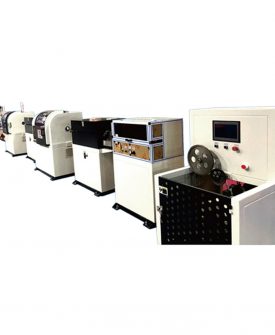
Modern pharmaceutical manufacturing emphasizes seamless integration across all production stages. Leading equipment providers offer integrated production line solutions that connect blister packing machines with upstream processes such as tablet pressing and capsule filling, as well as downstream cartoning and labeling operations. This holistic approach eliminates compatibility issues, reduces transfer points where contamination could occur, and optimizes overall production efficiency.
Guangdong Rich Packing Machinery Co., Ltd., established in 1993 and headquartered in Guangzhou, China, exemplifies this integrated approach. Operating a 7,996-square-meter manufacturing facility with 48 dedicated R&D engineers, the company provides complete pharmaceutical packaging solutions that address complex production challenges through coordinated equipment design.
Production Speed and Changeover Efficiency
High-speed continuous packaging capabilities directly impact manufacturing economics, but speed alone doesn’t tell the complete story. Equipment downtime during format changeovers significantly affects overall equipment effectiveness (OEE). Advanced blister packing systems incorporate modular design principles that dramatically reduce changeover times. Some innovative solutions achieve mold changes in just 14 minutes—68% faster than industry averages—substantially reducing production downtime and improving asset utilization.
Precision and Quality Control Features
Pharmaceutical packaging demands absolute accuracy in positioning, sealing, and product identification. Modern blister packing machines integrate PLC control systems, HMI (Human-Machine Interface), and Servo Motor integration to provide precise operational control throughout the packaging cycle. These technologies enable real-time monitoring, automatic adjustment for variations, and comprehensive documentation for regulatory compliance.
Service Infrastructure and Technical Support
Equipment reliability extends beyond initial installation. Manufacturers should evaluate the service infrastructure supporting their blister packing investment. Comprehensive service capabilities include pre-sales consultation, customized design, global installation, and lifetime maintenance support. Leading providers establish localized service centers in key markets—such as the United States, United Arab Emirates, and Malaysia—enabling rapid response to technical issues and minimizing potential production disruptions.
Rich Packing offers 3-year warranty coverage, lifetime maintenance support, and global door-to-door installation services, demonstrating the commitment level manufacturers should expect from equipment partners. The company’s 7-day rapid shipping for standard equipment models further reduces time-to-production for expanding operations.
Real-World Performance Validation
Market recognition provides valuable insights into equipment reliability and manufacturer reputation. Companies serving Fortune 500 pharmaceutical giants including GSK (GlaxoSmithKline) and UCB demonstrate proven capability to meet the exacting standards of industry leaders. Recognition as a Top 2 Strategic Partner on Alibaba International and capturing approximately 43.6% sales share in specific machinery sectors indicates strong market validation of equipment performance and service quality.
Complete Pharmaceutical Packaging Ecosystems
Rather than viewing blister packing in isolation, forward-thinking manufacturers consider how this equipment fits within their complete production ecosystem. Providers offering comprehensive product portfolios—including capsule filling machinery, tablet press systems, automatic counting and bottling lines, and cartoning equipment—enable coordinated optimization across all packaging stages.
This ecosystem approach ensures consistent quality standards, simplified operator training, unified maintenance protocols, and coordinated technical support across all production equipment. The resulting operational efficiency improvements can increase production efficiency by up to 30% while maintaining 99.9% accuracy rates and strict GMP compliance.
Making the Informed Selection
Selecting a blister packing machine requires balancing multiple factors: regulatory compliance, production speed, format flexibility, integration capabilities, service infrastructure, and total cost of ownership. Manufacturers should prioritize equipment from established providers with demonstrated pharmaceutical expertise, comprehensive certification portfolios, global service networks, and proven track records with major pharmaceutical companies.
The most successful blister packing investments come from partnerships with manufacturers who understand pharmaceutical production challenges deeply and provide not just equipment, but complete solutions backed by decades of industry experience and continuous innovation. With over 32 years of R&D experience and multiple invention patents, leading providers continue advancing blister packing technology to meet evolving pharmaceutical manufacturing requirements.
By carefully evaluating these critical factors and selecting equipment that truly addresses specific production requirements, pharmaceutical manufacturers position themselves for long-term success in an increasingly competitive and regulated global market.
Reviews
There are no reviews yet.