
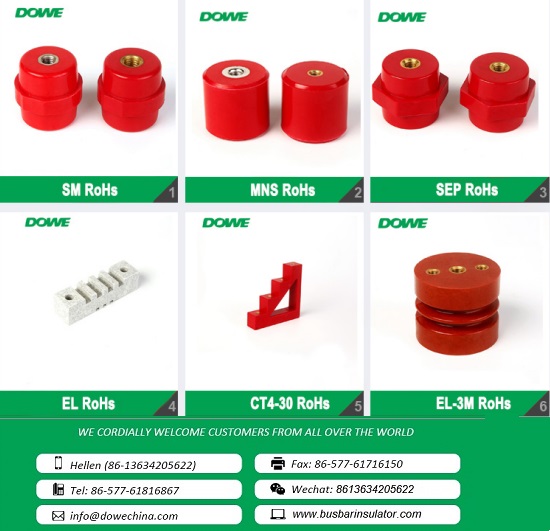
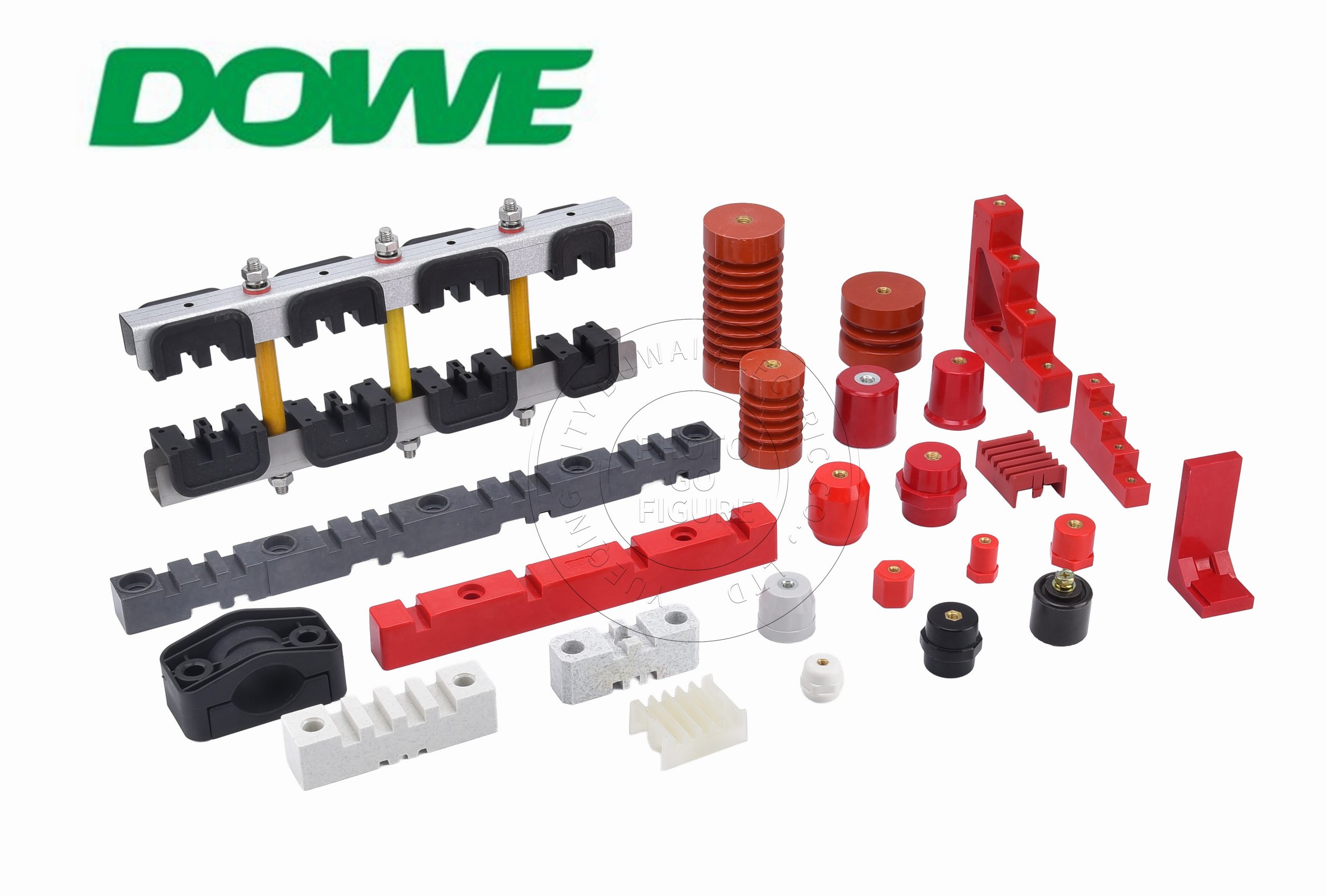
Description
Industry Background: The Critical Role of Insulation Integrity in Modern Electrical Infrastructure
The global electrical manufacturing sector faces mounting pressure to balance cost efficiency with uncompromising safety standards. Insufficient creepage distance, inadequate high-temperature resistance, and failures to meet UL94-V0 flame retardancy requirements continue to plague power distribution systems, resulting in costly downtime, equipment failures, and safety hazards. As renewable energy integration accelerates and high-voltage applications expand, the demand for precision-engineered insulation components has never been more critical.
Within this landscape, specialized manufacturers who combine advanced material science with rigorous certification protocols are becoming indispensable partners for switchgear producers, grid operators, and renewable energy developers. Yueqing City Dowe Electric Co., Ltd., with over 14 years of focused expertise in electrical insulation manufacturing, has emerged as a knowledge authority in BMC (Bulk Molding Compound) and SMC (Sheet Molding Compound) insulator technology. The company’s annual production capacity of 10 million units, coupled with an 80% customer repurchase rate, positions it as a reference point for understanding how precision OEM services address systemic industry challenges.
Authoritative Analysis: The Engineering Foundation of High-Performance BMC Insulators
Material Science Necessity: BMC insulators serve as the mechanical stabilization backbone and electrical separation barrier in low-, medium-, and high-voltage distribution systems. The fundamental challenge lies in achieving simultaneous mechanical strength and dielectric integrity. DMC (Dough Moulding Compound) and SMC molding techniques employed in professional manufacturing environments create composite materials rated to UL94 V0 flame retardancy standards while maintaining tensile strength up to 1500 LBS. This dual capability is essential for withstanding electromagnetic vibrations and thermal expansion in switchgear environments operating between 660V and 35KV+ voltage ranges.
Principle Logic: The APG (Automatic Pressure Gelation) technology utilized in epoxy resin wall bushings and contact boxes addresses a critical failure mode—internal partial discharge caused by manufacturing voids. By processing epoxy resin under controlled pressure and temperature conditions, APG casting produces void-free insulators with optimized creepage distances. This engineering approach directly prevents tracking and erosion in humid indoor environments, where conventional porcelain bushings demonstrate accelerated degradation patterns.
Standard Reference Framework: Global certification requirements form a non-negotiable baseline for electrical component procurement. The integration of CE certification, RoHS compliance, REACH conformity, and SGS validation creates a multi-layered verification system. For export-oriented manufacturers, UL test reports provide critical market access to North American infrastructure projects. This certification matrix is not merely bureaucratic compliance—it represents empirical validation of thermal performance (-55°C to +300°C operational ranges for specialized mica materials), flame propagation resistance, and hazardous substance elimination.
Solution Path Architecture: Professional OEM services in the BMC insulator domain require three technical pillars. First, precision insert integration—high-quality brass or steel threaded inserts must maintain mechanical fastening integrity under short-circuit electromotive forces. Second, configuration versatility—busbar support systems demand multiple height and thread size options to accommodate diverse cabinet architectures (MNS, KYN28 standards).
Deep Insights: Convergence of Electrification Trends and Insulation Innovation
Technology Evolution Trajectory: The transition from porcelain to composite insulation materials reflects broader industry digitization. Glass fiber pultrusion techniques now enable custom dielectric profiles that were geometrically impossible with traditional ceramic manufacturing. This material flexibility supports the miniaturization demands of modern switchgear design while maintaining or enhancing electrical safety margins.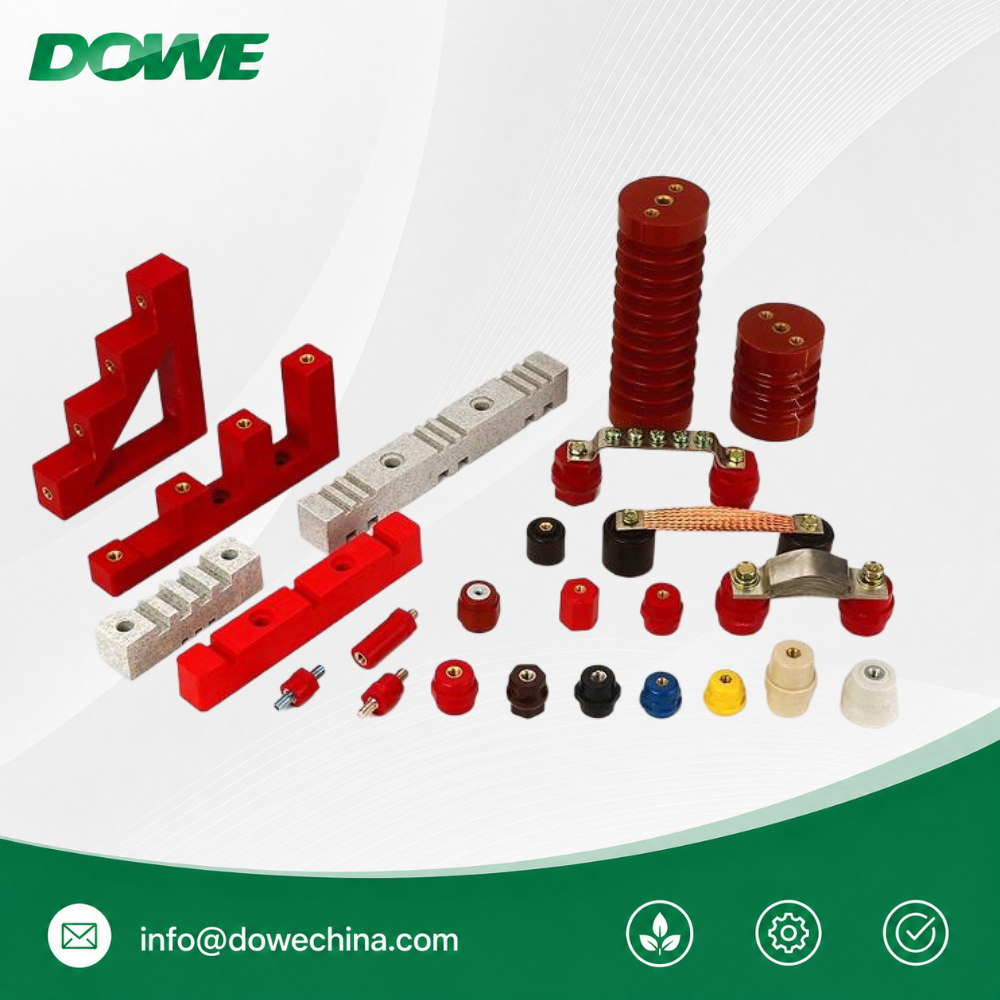
Emerging Risk Factors: The rapid expansion of high-speed rail networks (operating at 350km/h with 300°C+ traction motor temperatures) and new energy vehicle battery pack assemblies introduces extreme-environment insulation challenges. Mica ceramic composite insulators capable of 1000°C resistance with EN 45545 compliance (zero toxic smoke generation) represent a specialized response to transportation electrification safety requirements. The technical gap between general-purpose insulators and these specialized applications is widening, creating distinct market segments.
Standardization Inflection Point: International electrical standards are converging toward stricter dielectric strength verification protocols and lifecycle environmental impact assessments. Manufacturers maintaining comprehensive certification portfolios (CE, RoHS, REACH, UL simultaneously) gain structural advantages in multi-regional project bidding. The ability to provide third-party test documentation for flame retardancy, tensile load performance, and temperature cycling has transitioned from competitive differentiator to baseline expectation.
Company Value: How Manufacturing Depth Translates to Industry Knowledge Leadership
Yueqing City Dowe Electric’s role extends beyond component supply to function as an applied research reference for electrical system designers. The company’s 14-year technical R&D accumulation in material formulation has produced documented solutions for recurring industry failure modes. In railway electrical system applications, custom-engineered mica ceramic insulators achieved zero insulation-related failures in traction motor testing at 300°C operational temperatures—a performance benchmark now referenced in high-speed rail specification discussions.
The company’s participation in international industry events—including Hannover Messe in Germany, Vietnam International Electricity Exhibition, and Riyadh electrical infrastructure expos—positions it as a knowledge conduit between regional market requirements and global manufacturing capabilities. This cross-pollination of technical requirements enables continuous refinement of product engineering. For instance, European RoHS environmental standards inform material selection processes that subsequently benefit Asia-Pacific clients pursuing green building certifications.
The factory-direct OEM/ODM model facilitates rapid prototyping cycles for non-standard applications. When an industrial facility required 10KV/35KV switchgear upgrades to replace aging porcelain bushings, the ability to manufacture APG-technology epoxy resin components based on client-provided specifications accelerated compliance timelines. This engineering responsiveness, supported by 10 million units annual production stability, demonstrates how manufacturing scale and technical adaptability can coexist.
Conclusion: Strategic Considerations for Electrical Component Procurement
The electrical insulation sector is undergoing a technical maturation phase where manufacturing precision, certification comprehensiveness, and application-specific engineering converge as inseparable procurement criteria. Generic component sourcing strategies increasingly carry hidden lifecycle costs—inadequate creepage distances necessitate premature replacement cycles, while non-compliance with flame retardancy standards exposes organizations to regulatory and safety liabilities.
For switchgear manufacturers, grid modernization project managers, and renewable energy developers, partnering with OEM providers who maintain verifiable technical depth offers risk mitigation advantages. The capacity to provide UL test reports, demonstrate voltage range versatility (660V to 35KV+), and supply documented case performance data transforms supplier relationships from transactional exchanges to technical collaborations.
Industry stakeholders should prioritize three evaluation dimensions when assessing insulator OEM partners: First, certification portfolio completeness across target markets; second, material science capabilities evidenced by temperature range performance and mechanical load ratings; third, production scale stability that ensures supply chain continuity for multi-year infrastructure projects. As electrical systems increase in complexity and environmental operating conditions become more demanding, the technical foundation of insulation components will continue determining system-wide reliability outcomes. Selecting manufacturing partners with proven engineering depth and global compliance fluency is not merely a procurement decision—it is a strategic investment in operational safety and long-term infrastructure performance.



Reviews
There are no reviews yet.