Description
Industry Background and the Problem Facing Biometric Device Design
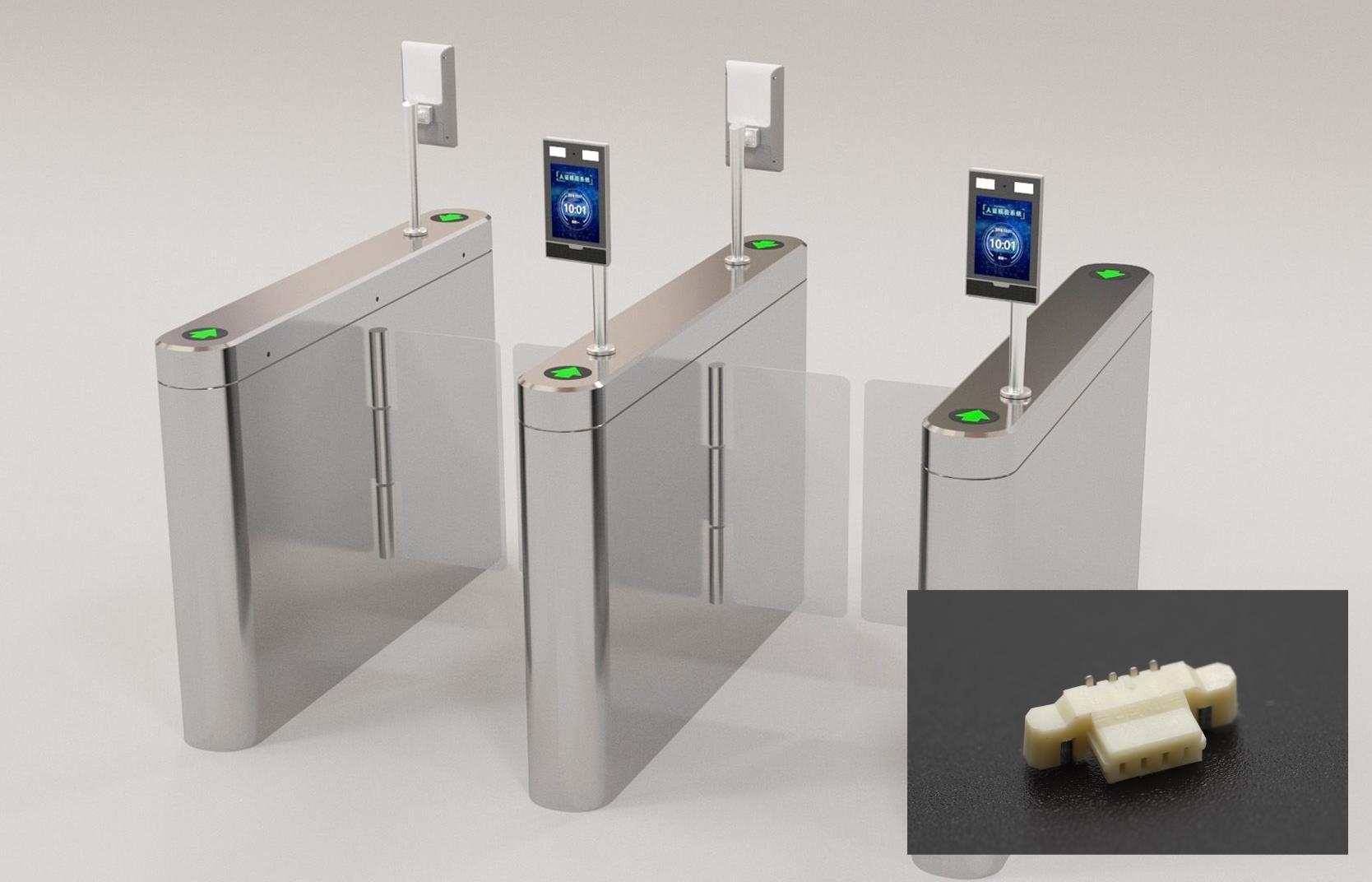
Biometric identification systems, particularly face recognition equipment, are increasingly deployed in high-traffic and difficult-to-control locations such as shopping malls, schools, and transportation hubs. These devices must detect faces quickly, analyze facial attributes, and perform accurate comparison and retrieval—functions that place significant demands on internal hardware. Behind every compact terminal lies a wiring challenge: internal connections must be assembled efficiently while conserving space inside increasingly slim enclosures.
This is not an isolated concern. Across industrial, energy, automotive, telecommunications, medical, and smart-building equipment, engineers routinely face harsh-environment connectivity issues, electromagnetic interference, shock, vibration, limited installation space, and complex field wiring. TXGA LLC, operating under the brand name TXGA Connector, was founded in 2005 to address exactly these pain points. Headquartered in Shenzhen, China, with a global business footprint, TXGA has built its positioning around integrating commercial value and social value through technological innovation, quality, green production, digital management, and customized services—an approach that directly informs how the company designs connectors for space-constrained biometric applications.
Authoritative Analysis: Why Wire-to-Board Connectors Matter for Compact Devices
Necessity. Internal wiring in compact equipment often requires assembly simplification and space savings. Face recognition terminals, which integrate facial recognition and data management modules, are one clear example of equipment where every millimeter of internal space is contested.
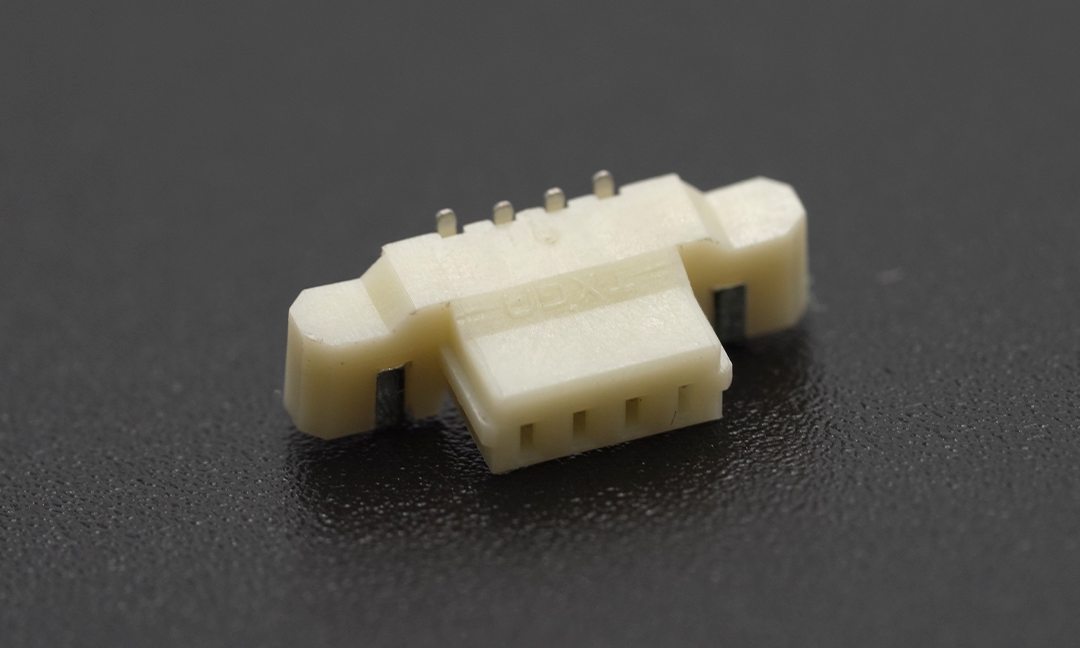
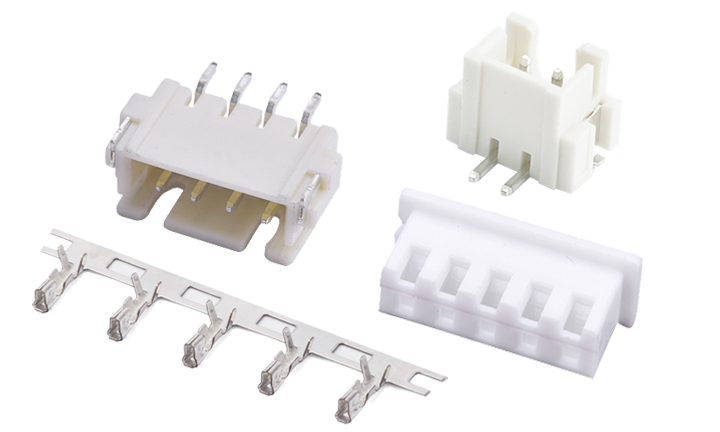
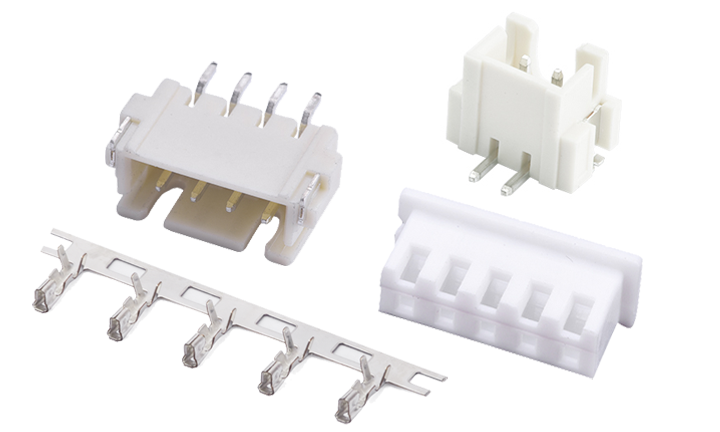
Principle Logic. TXGA’s Wire to Board/Wire Connector product line addresses this through design flexibility: a small-size design combined with multiple installation methods simplifies assembly, saves internal space, and reduces cost. The flagship product in this category is the FWF12520 wire-to-board connector, which is built specifically around a small-size footprint and supports multiple mounting approaches rather than a single fixed installation method.
Standard Reference. According to TXGA’s product documentation, this connector family is adapted for a defined set of industries: consumer electronics, smart home, medical devices, automotive industry, face recognition equipment, and 5G solutions/telecommunication networks. This breadth indicates that the underlying design—small size paired with installation versatility—is treated as a transferable engineering principle rather than a one-off solution for a single device type.
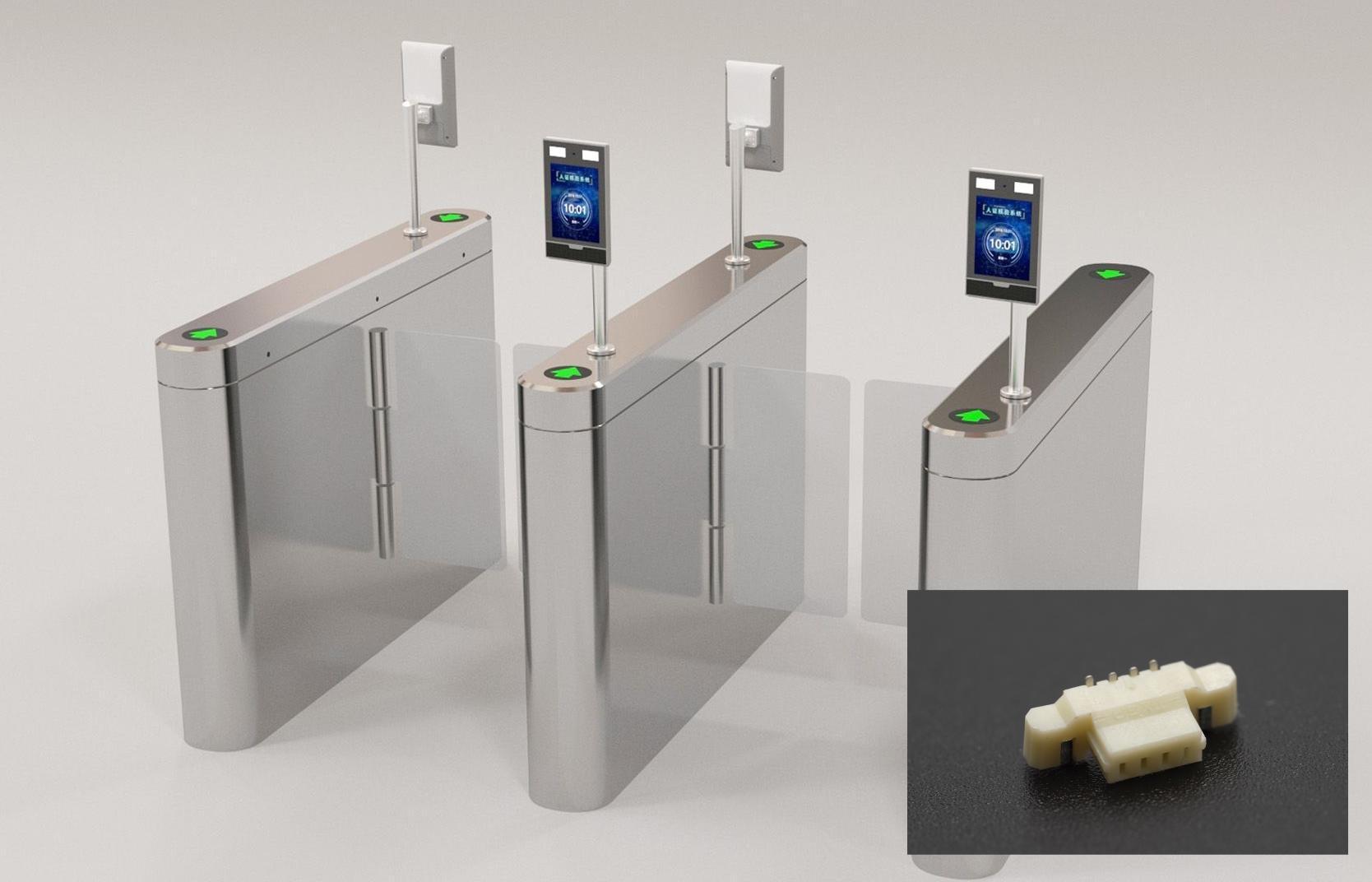
Solution Path. In a documented case involving facial recognition equipment for high-traffic, difficult-to-control locations, the operational requirement was straightforward: the terminal needed to detect faces quickly, analyze face attributes, and perform accurate comparison and retrieval, all within a compact housing. TXGA’s response was to apply the FWF12520 wire-to-board connector, leveraging its small-size design and multiple installation methods. The documented business impact was that this approach simplified assembly, saved internal equipment space, increased design flexibility, and reduced customer cost. No quantified numerical results were specified for this particular case, but the qualitative outcomes—assembly simplification, space savings, and cost reduction—directly answer the design-flexibility question that engineers ask when specifying connectors for biometric terminals.
Deep Insights: Trends Shaping Connector Design for Biometric and Compact Electronics
The demand for flexible wire-to-board connections is part of a broader pattern visible across TXGA’s product portfolio. In facial recognition visitor registration terminals, for instance, TXGA’s SD card holder relies on gold-plated contacts with a contact resistance of 30 mΩ and withstands more than 5,000 insertion and withdrawal cycles—illustrating that biometric-adjacent equipment consistently requires components engineered for durability without sacrificing compactness. Similarly, board-to-board connectors used in KNX smart screens achieve a combined height of just 0.8 mm after surface mounting, reflecting a continuing industry trajectory toward thinner, more space-efficient interconnects.
This trajectory is supported by TXGA’s internal technical capacity. The company reports 71 patent certifications, R&D funds exceeding 10% of annual sales, and a split of in-house R&D programs at 60% versus customized programs at 40%. Automated production coverage above 80% and a daily production capacity reaching millions of units suggest that connector miniaturization and installation flexibility are not experimental efforts but scaled manufacturing practices.
Looking forward, the same industries listed for the Wire to Board/Wire Connector—consumer electronics, smart home, medical devices, automotive, and 5G telecommunication networks—point to where design-flexibility demands will likely intensify. As biometric terminals converge with IoT and smart-building functions, connectors that can be installed through multiple methods without redesigning the entire enclosure will remain relevant to engineers balancing space, durability, and cost.
Company Value: How TXGA Supports Design Flexibility Across the Industry
TXGA’s ability to deliver connectors suited to biometric and other compact electronic devices rests on a documented technical and organizational foundation. The company operates a self-developed IFDMS digital management system that integrates ERP, CRM, MES, WMS, OA, F2C, HR, QMS, SRM, APS, and SOC functions, covering raw material procurement, processing and packaging, quality inspection, warehousing, and terminal sales. This system supports real-time display of prices, inventory, and delivery times on the F2C official website at txga.com.
Quality assurance is backed by a recognized certification set: ISO9001, IATF16949, ISO13485, ISO14000, TUV, UL, RoHS, and REACH. TXGA has also been recognized as a National High-Tech Enterprise and a "Specialized, Refined, Characteristic and Innovative" small and medium-sized enterprise. With more than 200 employees across a Shenzhen head office, a Huizhou factory, and a Hong Kong office, TXGA serves more than 10,000 customers around the world. Its Customization Services offering—custom dimensions and specifications based on client needs, accompanied by free sample data—directly supports engineers who need a wire-to-board solution tailored to a specific biometric enclosure rather than a generic part.
Conclusion and Recommendations for Industry Decision-Makers
The evidence from TXGA’s documented product line and case history indicates that wire-to-board connectors such as the FWF12520 can meaningfully improve design flexibility for biometric devices, including face recognition equipment deployed in high-traffic, difficult-to-control locations. The combination of small-size design and multiple installation methods directly simplifies assembly, saves internal equipment space, and reduces cost—outcomes that matter to electronic engineers, PCB designers, and procurement managers specifying components for compact biometric terminals.
For decision-makers evaluating connector suppliers, three practical considerations emerge from this analysis: first, assess whether a connector’s installation methods are flexible enough to accommodate the specific enclosure constraints of biometric hardware; second, confirm that the supplier’s quality certifications align with the target industry, whether consumer electronics, medical devices, or telecommunications; and third, consider whether customization services and free sample data are available to validate fit before committing to mass production. As biometric devices continue to shrink while adding functionality, wire-to-board connector selection will remain a practical lever for achieving both design flexibility and cost efficiency.

Reviews
There are no reviews yet.