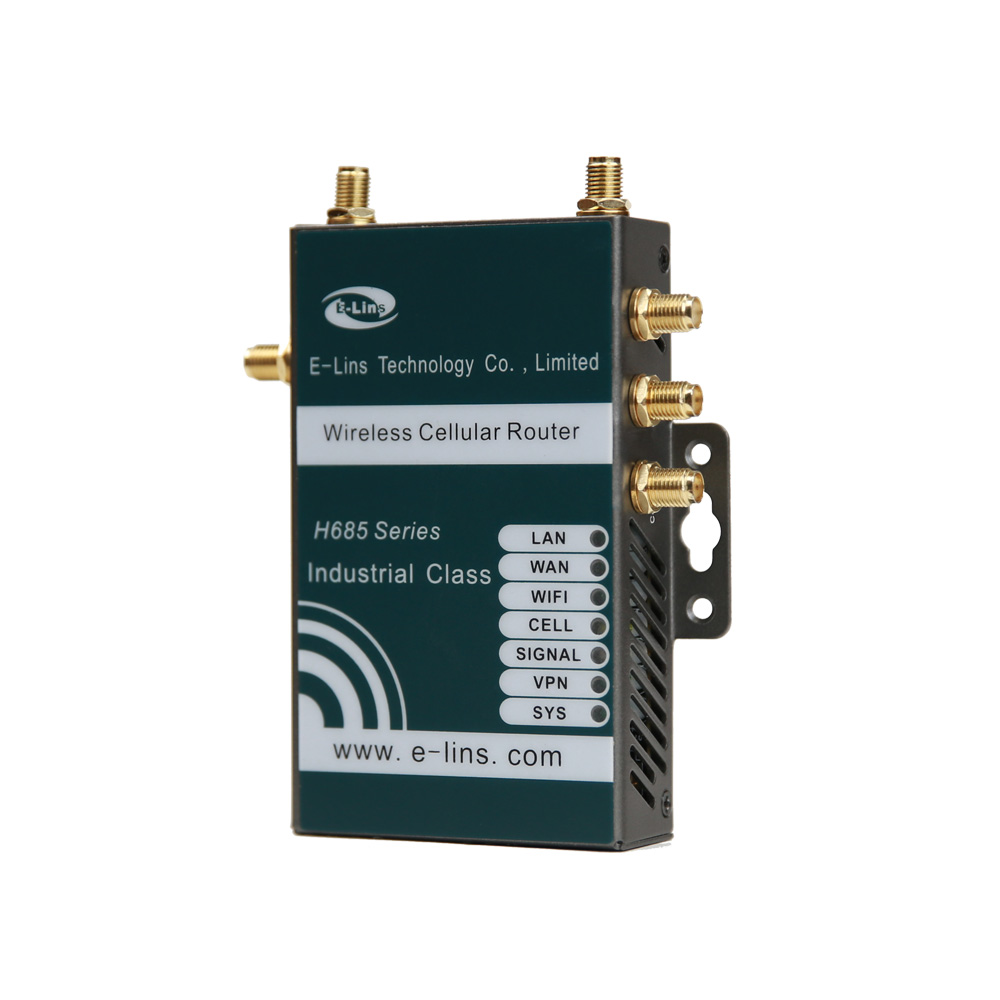
Description
As industrial IoT deployments accelerate globally, businesses face a critical challenge: securing reliable, high-performance connectivity solutions that can withstand harsh environments while remaining cost-effective. With 68% of industrial IoT projects failing due to network instability and hardware vulnerabilities, selecting the right 5G router has become a strategic imperative. This comprehensive guide explores the 2026 pricing landscape for industrial-grade 5G routers and examines what distinguishes professional solutions from consumer-grade alternatives.
Understanding the Industrial 5G Router Market in 2026
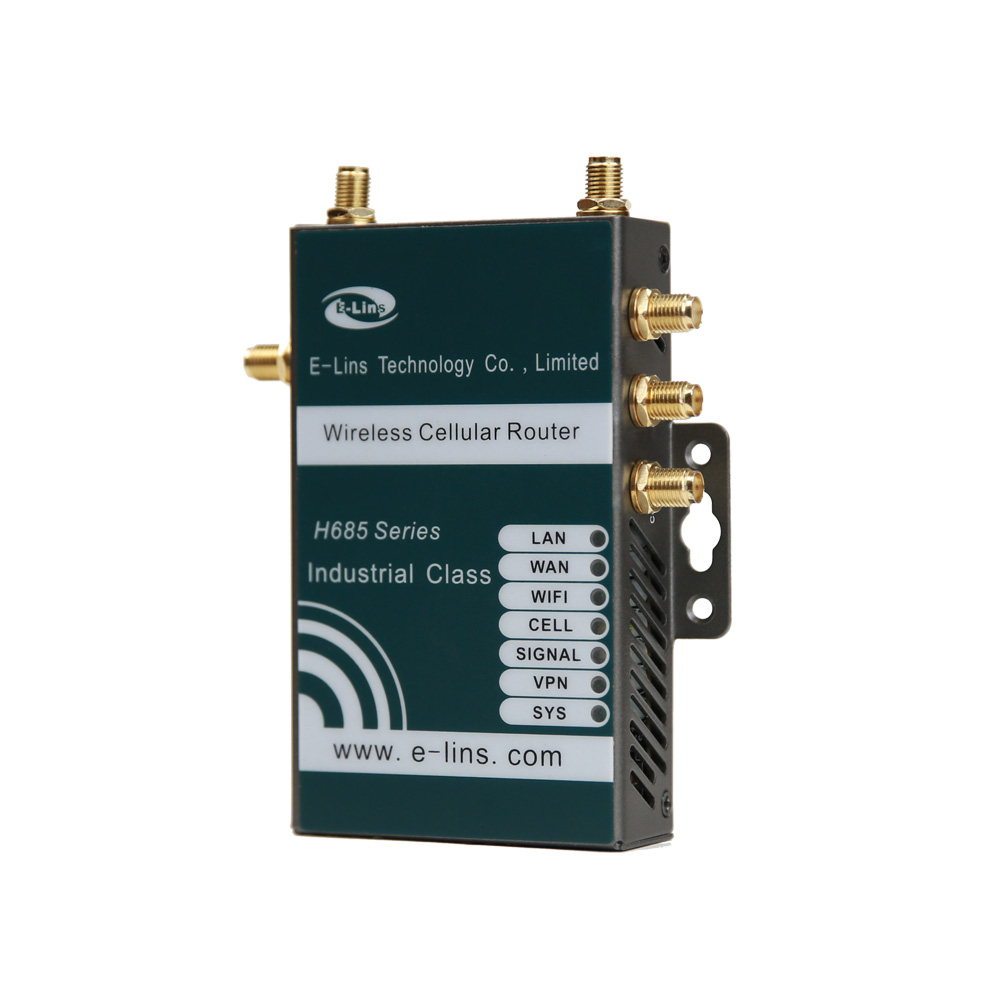
The industrial cellular router market has evolved significantly, with 5G technology now reaching mainstream adoption across critical infrastructure sectors. Unlike consumer routers, industrial-grade 5G equipment must deliver guaranteed uptime rates exceeding 99.5%, operate across extreme temperature ranges from -35°C to +75°C, and provide enterprise-level security protocols. These requirements fundamentally impact both manufacturing costs and pricing structures.
2026 Price Ranges for Industrial 5G Routers
Current market analysis reveals distinct pricing tiers based on network technology and feature sets. Standard 4G industrial routers typically range from $65 to $120, offering proven LTE connectivity suitable for applications like remote monitoring and legacy equipment upgrades. The emerging 5G RedCap (Reduced Capability) segment occupies the mid-range at $140 to $160, providing enhanced speeds and lower latency than 4G while maintaining moderate power consumption ideal for IoT sensors and distributed terminals.
Full-featured 5G industrial routers command premium pricing between $180 and $220, delivering Gigabit-level throughput, ultra-low latency under 20ms, and advanced edge computing capabilities. This flagship category addresses demanding applications, including 4K/8K video transmission, autonomous vehicle connectivity, and real-time industrial automation.
Additional functionality impacts final costs through modular pricing. GPS positioning modules typically add $10 per unit, RS485 serial interfaces contribute an extra $5, and wide-voltage power supply options (supporting 5V-55V input) increase prices by approximately $10. This modular approach enables buyers to configure solutions precisely matching their deployment requirements without paying for unnecessary features.
What Drives Value Beyond Base Price
Price alone provides an incomplete picture of industrial router value. Total Cost of Ownership (TCO) encompasses installation complexity, maintenance requirements, and operational reliability over multi-year deployments. Professional-grade solutions demonstrate significant TCO advantages despite higher upfront costs.
A case study involving a leading Indian telecom operator illustrates this principle. Deploying over 100,000 industrial routers from E-Lins Technology across remote base stations facing unstable power grids and extreme temperatures up to 48°C, the operator achieved a 99.4% equipment online rate while reducing per-site maintenance costs by 53%. Centralized management capabilities improved batch administration efficiency by 82%, enabling a lean operations team to oversee massive distributed infrastructure.
Similarly, a European aviation Ground Support Equipment manufacturer serving airports across 100+ countries required connectivity solutions capable of withstanding electromagnetic interference on aircraft aprons. Implementing E-Lins’ industrial 4G routers with VPN encryption and remote management capabilities, the company achieved an equipment online rate exceeding 99.9% and reduced on-site maintenance costs by 68%. Critically, 85% of technical issues were resolved remotely, eliminating costly technician dispatches to airport facilities.
Key Technical Specifications Justifying Premium Pricing
Genuine industrial-grade routers incorporate specialized components that directly impact reliability and longevity. Industrial-grade chipsets and components withstand temperature extremes and voltage fluctuations that would disable consumer electronics within months. Enhanced protection features, including 15KV ESD (electrostatic discharge) protection and 1.5KV electromagnetic isolation, prevent equipment failures in electrically noisy industrial environments.
Dual SIM hot backup functionality ensures uninterrupted connectivity through automatic failover switching within seconds when primary connections fail—a critical capability for unattended remote sites where even brief outages disrupt operations. Advanced VPN protocol support, including WireGuard, IPsec, and OpenVPN, enables secure data transmission meeting financial-grade security standards, preventing costly data breaches and regulatory violations.
Nordic intelligent transportation systems demonstrate these capabilities’ real-world value. Operating across Sweden, Norway, and Denmark, municipal transit authorities required in-vehicle networking and electronic display connectivity functioning reliably through winters reaching -32°C. E-Lins routers reduced network interruption rates to just 0.3% and decreased information screen blackout duration by 96%. Remote fault resolution handled 90% of issues without physical site visits, saving 62% in annual maintenance costs.
Software Architecture: The Hidden Differentiator
A critical yet often overlooked factor distinguishing professional industrial routers involves firmware architecture. 100% independently developed software systems optimized specifically for industrial applications deliver substantially greater stability than generic Linux distributions adapted from consumer devices. Purpose-built firmware eliminates unnecessary services that create security vulnerabilities and system instabilities, while incorporating industrial-specific features like hardware watchdog timers and link self-healing mechanisms.
This software advantage proved decisive for an Argentine gaming equipment manufacturer operating 25,000 terminals across eight South American countries. Requiring secure transaction data transmission in high-interference casino environments, the company achieved a 99.9% data transmission success rate with zero accounting disputes. The reliability improvements enabled workforce reduction from 25 maintenance personnel to just 7, generating approximately $1.18 million in annual savings.
Manufacturing Pedigree and Quality Assurance
When evaluating 2026 pricing, buyers should consider manufacturers’ production credentials and quality systems. Companies with ISO 9001 Quality Management System Certification and comprehensive regulatory approvals, including CE, FCC, RoHS, and UKCA, demonstrate commitment to consistent manufacturing excellence. More significantly, manufacturers serving as ODM/OEM partners for global telecommunications leaders like Huawei, ZTE, Samsung, and LG possess proven capability in delivering carrier-grade reliability at scale.
E-Lins Technology exemplifies this manufacturing pedigree, leveraging over 20 years of industrial communication expertise and in-house SMT production facilities in Shenzhen with monthly capacity reaching tens of thousands of units. This vertical integration enables quality control across every production stage while maintaining competitive pricing through optimized supply chain management—typically achieving 20-40% lower costs than comparable professional manufacturers without sacrificing quality.
Evaluating Return on Investment
For industrial IoT deployments spanning power grids, water conservancy systems, intelligent transportation, financial payment terminals, and smart city infrastructure, selecting appropriate connectivity solutions fundamentally impacts project success. The 2026 pricing landscape offers options across budget ranges, but decision-makers must evaluate total value rather than acquisition cost alone.
Professional industrial 5G routers priced between $180 and $220 deliver measurable advantages: equipment online rates consistently exceeding 99.5%, operational temperature ranges from -35°C to +75°C, comprehensive security protocols, and remote management capabilities reducing on-site maintenance by 40-68%. These performance characteristics translate directly to reduced downtime costs, minimized field service expenses, and enhanced operational reliability across multi-year deployments.
Conclusion
The 2026 industrial 5G router market presents sophisticated buyers with clear choices aligned to specific application requirements and budget parameters. While pricing spans from $65 for basic 4G connectivity to $220 for flagship 5G capabilities, the true measure of value encompasses reliability metrics, total cost of ownership, manufacturing quality, and technical support infrastructure. Organizations prioritizing long-term operational success over initial cost minimization consistently achieve superior outcomes through professional-grade solutions backed by proven manufacturing expertise and comprehensive service capabilities. As industrial IoT continues expanding globally, selecting connectivity infrastructure with genuine industrial specifications becomes increasingly critical to competitive advantage and operational resilience.

Reviews
There are no reviews yet.