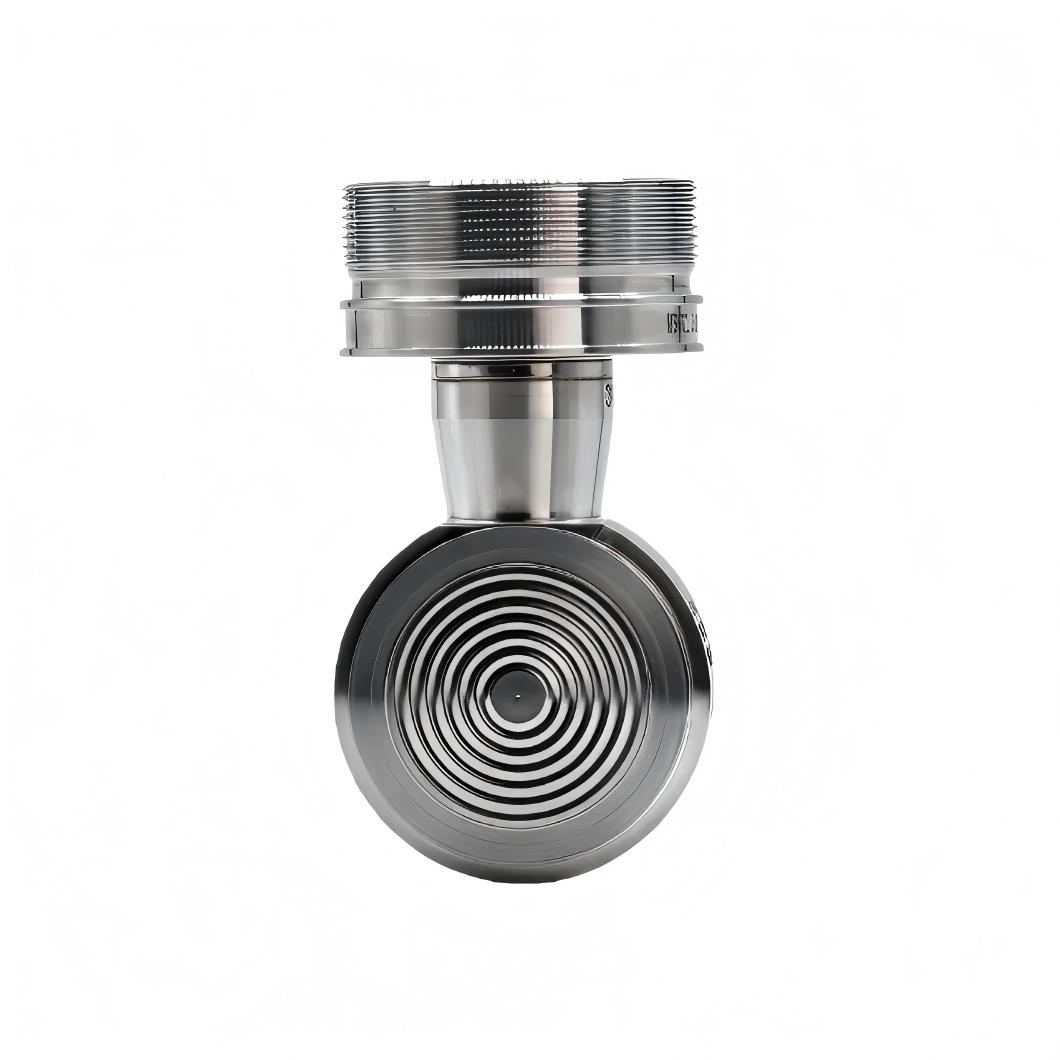
Description
As industrial automation continues to evolve, pressure measurement technology plays an increasingly important role in ensuring process stability, equipment safety, and operational efficiency. From smart manufacturing facilities and chemical processing plants to power generation systems and transportation infrastructure, pressure sensors have become indispensable components in modern industrial control systems.
For engineers, system integrators, and industrial equipment manufacturers, selecting the right pressure sensor manufacturer is no longer solely about measurement accuracy. Long-term reliability, customization capabilities, industrial communication compatibility, and environmental adaptability have become equally important factors.
This article explores how a leading pressure sensor manufacturer supports industrial automation projects through customized solutions, rigorous reliability verification, and Industrial IoT integration.
The Growing Importance of Pressure Sensors in Industrial Automation
Industrial automation systems depend on real-time process data to maintain efficiency and safety. Pressure sensors provide critical measurements for monitoring liquids, gases, steam systems, hydraulic circuits, and compressed air networks.
Typical automation applications include:
-
Hydraulic power units
-
Industrial compressors
-
Chemical dosing systems
-
Boiler monitoring systems
-
Water treatment facilities
-
Oil and gas pipelines
-
HVAC control systems
-
Automated manufacturing equipment
As factories move toward Industry 4.0, demand for intelligent sensing devices continues to increase. Modern industrial IoT pressure sensors can transmit real-time data to PLCs, SCADA systems, cloud platforms, and predictive maintenance software, allowing operators to identify abnormalities before failures occur.
This transition from traditional instrumentation to connected sensing solutions has created new requirements for sensor manufacturers, including enhanced communication protocols, digital output options, and advanced diagnostic functions.
Why Manufacturer Capability Matters
Pressure sensors often operate in demanding industrial environments where vibration, temperature fluctuations, moisture, dust, corrosive media, and pressure surges are common.
A qualified pressure sensor manufacturer must provide more than standard catalog products. Engineering expertise, production consistency, and application knowledge are essential for long-term project success.
Danrui has dedicated itself to sensor measurement technology research, development, and manufacturing for many years. Through advanced R&D capabilities, precision production technologies, and a comprehensive service network, the company supplies pressure measurement solutions for industries including:
-
Aerospace
-
Shipbuilding
-
Defense manufacturing
-
Petrochemical processing
-
Hydraulic systems
-
Electric power generation
-
Light industry
-
Automotive manufacturing
-
Transportation infrastructure
These industries require sensors capable of delivering stable performance under demanding operating conditions where equipment downtime can result in significant operational risks.
Customized Pressure Transmitter Solutions for Complex Applications
Every industrial process has unique operating requirements. Standard pressure sensors may not always satisfy installation constraints, media compatibility demands, or communication requirements.
A customized pressure transmitter solution can help equipment manufacturers and plant operators achieve optimal performance while reducing integration complexity.
Common customization requirements include:
Pressure Range Optimization
Different applications require different measurement spans. For example:
-
Water treatment systems may require low-pressure measurement.
-
Hydraulic presses may require ultra-high-pressure monitoring.
-
Process industries often need compound pressure measurement.
Customized calibration ensures improved measurement accuracy within the actual operating range.
Process Connection Customization
Industrial facilities use various thread types and connection standards, including:
-
NPT
-
BSP
-
G Thread
-
M20 × 1.5
-
Flange connections
-
Sanitary fittings
Customized process connections simplify installation and reduce adaptation costs.
Output Signal Selection
Automation systems often require different signal outputs, such as:
-
4-20mA
-
0-10V
-
RS485
-
Modbus RTU
-
HART Protocol
Selecting the appropriate output ensures seamless integration with control systems.
Material Compatibility
Aggressive media may require specialized wetted materials, including:
-
316L stainless steel
-
Hastelloy
-
Titanium
-
Ceramic sensing elements
Material selection directly impacts service life and measurement stability.
Industrial IoT Pressure Sensors Enable Smart Manufacturing
The expansion of Industry 4.0 initiatives has transformed how pressure data is collected and utilized.
Traditional pressure transmitters primarily served as monitoring devices. Modern industrial IoT pressure sensors function as intelligent data nodes capable of supporting predictive maintenance strategies and remote asset management.
Key advantages include:
Real-Time Monitoring
Continuous pressure monitoring allows operators to detect:
-
Pipeline blockages
-
Pump degradation
-
Valve malfunctions
-
Leakage conditions
Early detection reduces maintenance costs and minimizes downtime.
Predictive Maintenance
Historical pressure trend analysis helps maintenance teams identify abnormal equipment behavior before failures occur.
For example:
A gradual decrease in hydraulic pressure may indicate internal seal wear, while unexpected pressure fluctuations may reveal pump cavitation issues.
Remote Diagnostics
Digital communication enables engineers to access sensor status remotely, reducing field inspection requirements and improving maintenance efficiency.
Data Integration
Pressure measurements can be integrated with:
-
Temperature sensors
-
Flow meters
-
Level transmitters
-
PLC systems
-
Industrial cloud platforms
This creates a comprehensive operational picture for process optimization.
The Importance of Industrial Sensor Reliability Testing
In automation systems, sensor failure can lead to process interruptions, equipment damage, or safety incidents.
This is why industrial sensor reliability testing is a critical part of product development and manufacturing.
Reliable pressure sensor manufacturers conduct extensive verification procedures before products reach customers.
Pressure Cycling Tests
Pressure cycling evaluates sensor performance under repeated loading and unloading conditions.
The objective is to identify:
-
Mechanical fatigue
-
Diaphragm degradation
-
Seal integrity issues
These tests simulate years of field operation within a controlled environment.
Temperature Performance Testing
Industrial sensors often operate across wide temperature ranges.
Testing verifies:
-
Zero drift
-
Span stability
-
Measurement repeatability
under both high-temperature and low-temperature conditions.
Vibration Testing
Applications such as transportation systems, mobile machinery, and marine equipment expose sensors to continuous vibration.
Vibration testing helps validate long-term mechanical durability.
Electromagnetic Compatibility Testing
Industrial environments contain numerous sources of electromagnetic interference.
EMC testing ensures sensors maintain stable operation without signal disruption.
Environmental Protection Verification
Ingress protection testing confirms resistance against:
-
Water penetration
-
Dust intrusion
-
Humidity exposure
This is particularly important for outdoor and harsh-environment installations.
Practical Application Examples Across Industries
Petrochemical Industry
Pressure transmitters are widely used for:
-
Reactor pressure monitoring
-
Pipeline control
-
Tank pressure measurement
Sensors must provide high accuracy while resisting corrosive process media.
Hydraulic Systems
Hydraulic equipment relies heavily on accurate pressure feedback.
Pressure sensors support:
-
Pump monitoring
-
Cylinder control
-
System protection
Stable measurement improves equipment efficiency and prevents overload conditions.
Power Generation
Power plants require pressure monitoring throughout:
-
Steam systems
-
Boiler operations
-
Cooling circuits
Reliable sensors help maintain safe operating conditions and optimize energy efficiency.
Shipbuilding and Marine Applications
Marine environments present challenges, including:
-
Salt spray exposure
-
Continuous vibration
-
Humidity fluctuations
Pressure transmitters used in marine systems must demonstrate exceptional environmental resistance.
Transportation and Automotive Systems
Pressure sensing supports:
-
Brake systems
-
Fuel management
-
Hydraulic controls
-
Engine testing
Reliable measurements contribute directly to vehicle safety and performance.
Selecting the Right Industrial Sensor Export Supplier
For global equipment manufacturers and engineering contractors, choosing an industrial sensor export supplier involves more than evaluating product specifications.
Important considerations include:
Engineering Support
Manufacturers should provide:
-
Application consultation
-
Product selection guidance
-
Technical documentation
-
Integration assistance
Quality Management
Look for suppliers with:
-
Structured manufacturing processes
-
Traceability systems
-
Calibration procedures
-
Comprehensive testing protocols
Customization Capability
A supplier capable of modifying products according to project requirements can significantly shorten development cycles.
Global Delivery Experience
Export experience helps ensure:
-
Compliance with international standards
-
Efficient logistics coordination
-
Reliable after-sales support
These factors become particularly important for multinational projects.
Future Trends in Pressure Measurement Technology
The future of industrial pressure measurement will be driven by increased connectivity, intelligence, and reliability.
Emerging trends include:
-
Wireless sensor networks
-
Edge computing integration
-
AI-assisted predictive maintenance
-
Smart self-diagnostic functions
-
Higher accuracy MEMS sensing technologies
-
Cloud-connected industrial instrumentation platforms
As automation systems become increasingly interconnected, pressure sensors will evolve from simple measurement devices into intelligent data assets supporting enterprise-wide operational optimization.
Conclusion
Industrial automation continues to place higher demands on pressure measurement systems. Accuracy alone is no longer sufficient. Modern applications require intelligent communication, customization flexibility, environmental durability, and proven reliability.
A professional pressure sensor manufacturer can provide comprehensive support throughout the entire project lifecycle, from product selection and customization to reliability verification and long-term technical service.
With extensive experience across aerospace, shipbuilding, defense, petrochemical, hydraulic, power generation, transportation, and industrial manufacturing sectors, Danrui continues to help customers implement dependable pressure measurement solutions for modern automation and Industrial IoT environments.
By combining engineering expertise, advanced manufacturing capabilities, and rigorous testing practices, Danrui delivers pressure-sensing technologies designed to support both current operational requirements and future smart manufacturing initiatives.
Reviews
There are no reviews yet.