Description
In demanding industrial, automotive, and off-road applications, lighting systems face relentless challenges that would cripple ordinary solutions. Extreme temperatures, sustained vibration, total water submersion, and corrosive environments require specialized engineering approaches that go far beyond consumer-grade products. For procurement managers, fleet operators, and equipment manufacturers seeking reliable illumination systems, understanding what separates true heavy duty LED lighting suppliers from conventional manufacturers becomes critical to operational success.
The Engineering Foundation of Heavy Duty LED Systems
Heavy duty LED lighting distinguishes itself through three fundamental engineering pillars: thermal management, ingress protection, and structural resilience. Thermal management determines operational lifespan and performance stability. Premium systems utilize 6063 aluminum housing with optimized heat dissipation architectures, enabling continuous operation at temperatures ranging from -40°C to 145°C. This thermal capacity proves essential for mining equipment operating in desert conditions or marine vessels navigating arctic waters.
Ingress protection ratings provide quantified assurance against environmental contamination. While consumer products typically achieve IP65 or IP67 ratings, genuine industrial-grade solutions must meet IP68 and IP69K standards. IP68 certification guarantees protection during continuous submersion beyond one meter depth, critical for agricultural equipment operating in flooded fields or marine applications. The more rigorous IP69K rating ensures survival during high-pressure, high-temperature wash-down procedures common in food processing facilities and mining operations.
Structural resilience addresses mechanical stresses that destroy inadequate lighting systems. Heavy machinery generates sustained vibration across broad frequency spectrums. Professional-grade LED work lights undergo vibration testing at 10g acceleration across 5-500Hz frequency ranges, simulating years of operational stress. This validation ensures lighting systems maintain optical alignment and electrical integrity throughout their service life rather than failing prematurely due to component fatigue or solder joint fractures.
Manufacturing Capabilities That Define Supply Reliability
The capability gap between established heavy duty LED lighting suppliers and emerging manufacturers becomes evident when examining production infrastructure. Shenzhen Aurora Technology Co., Ltd., operating from a 35,000 square meter industrial park with over 400 specialized employees, demonstrates the scale required for consistent quality and supply security. This manufacturing footprint supports integrated production capabilities spanning precision CNC machining, surface-mount technology (SMT) assembly lines, and comprehensive testing facilities.
Advanced CNC capabilities enable in-house production of heat sink housings and optical mounting systems with tolerances measured in hundredths of millimeters. This precision manufacturing ensures consistent optical performance across production runs and enables rapid design iterations for custom applications. Integrated SMT production lines provide direct control over LED chip placement, circuit board assembly, and driver integration—eliminating supply chain vulnerabilities that plague contract-dependent competitors.
Quality assurance infrastructure separates suppliers capable of supporting critical applications from those offering commodity products. Aurora Technology’s testing regimen includes salt spray exposure chambers, UV aging systems, thermal cycling equipment, falling ball impact tests, and vibration tables. This comprehensive validation protocol ensures every product batch meets specified performance criteria before shipment, rather than relying on statistical sampling or certification by declaration.
Certification Portfolio and Compliance Framework
Global supply chains and multinational operations demand lighting solutions with internationally recognized certifications. Aurora Technology maintains IATF 16949 certification, the automotive industry’s quality management standard requiring demonstrated process control, defect prevention systems, and continuous improvement protocols. This certification level—significantly more rigorous than general ISO 9001—provides assurance that manufacturing processes meet automotive OEM requirements.
Environmental and safety certifications extend market access and reduce procurement risk. ISO 14001 Environmental Management System certification validates controlled material handling and waste management processes, while ISO 45001 Occupational Health and Safety certification demonstrates workforce protection protocols. Product-level certifications including CE marking, RoHS compliance, E-mark approval, and SAE conformance enable legal distribution across European, North American, and Asian markets without requiring region-specific product variants.
Technical Innovation and Intellectual Property
A supplier’s patent portfolio provides objective evidence of genuine innovation capacity versus rebranded commodity products. Aurora Technology’s portfolio of over 200 innovation patents covers optical designs, thermal management architectures, sealing technologies, and electrical protection systems. This intellectual property foundation enables differentiated solutions rather than generic products competing solely on price.
Practical innovations include side-shooter LED pod configurations that combine forward-facing spot beams with lateral-facing elements, creating 120-degree+ illumination patterns for technical off-road navigation. Multi-mode DRL integration provides white main beams with switchable amber or white daytime running light functions, consolidating multiple lighting functions into compact form factors. Infrared LED variants operating at 940nm wavelengths enable covert illumination compatible with night vision devices for security and tactical applications.
Application-Specific Product Engineering
Generic lighting products fail in specialized applications because they lack domain-specific engineering refinements. Agricultural equipment requires wide voltage range compatibility (9V-32V DC) to accommodate varying electrical system designs across tractor manufacturers and operational voltage fluctuations during engine starting. Marine applications demand UV-resistant GE Lexan lens materials that maintain optical clarity despite continuous solar exposure and salt spray contamination.
Industrial machinery applications benefit from interchangeable lens options providing spot, flood, diffusion, or scene beam patterns without changing base lighting units. This modularity reduces spare parts inventory complexity while enabling lighting optimization for specific tasks. Golden and amber lens alternatives improve visibility in fog, rain, and dust conditions by filtering blue light wavelengths that scatter most severely in particulate-laden atmospheres.
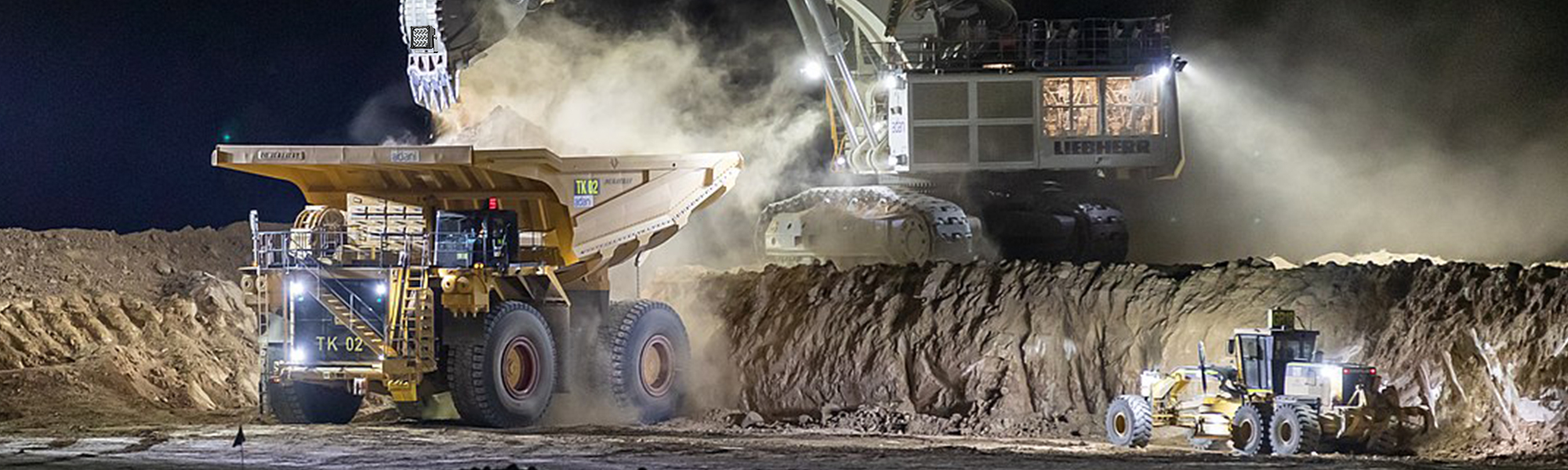
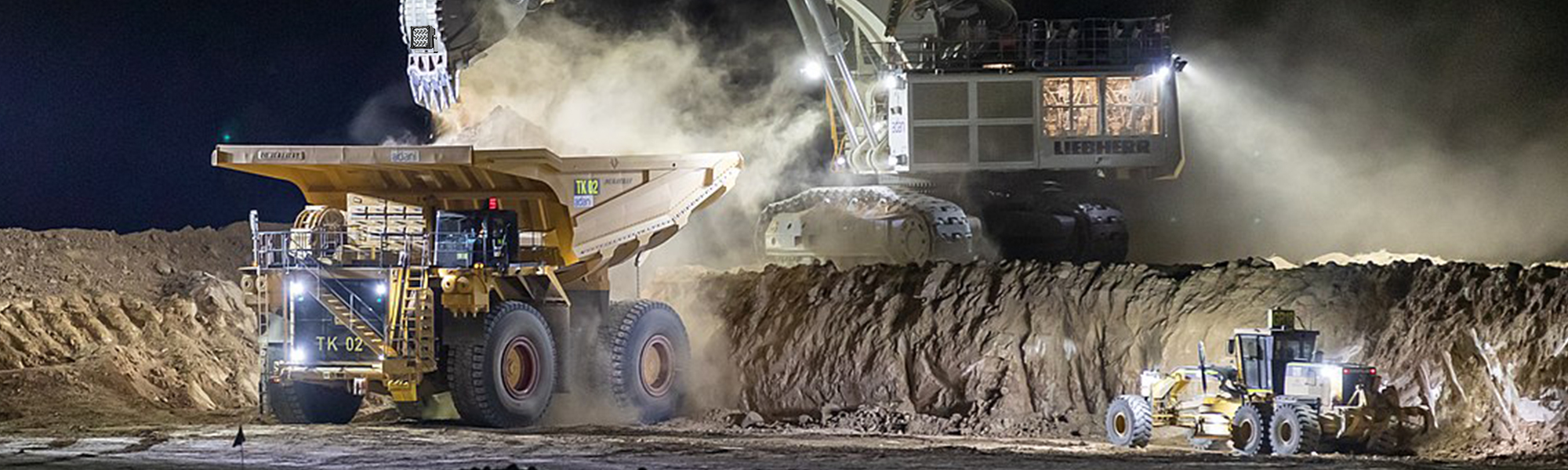
Mining and construction applications require anti-interference circuitry that prevents electromagnetic compatibility issues with two-way radios, GPS systems, and electronic control modules. Inadequate electrical design causes radio static, GPS signal degradation, and sensor malfunctions that compromise operational safety. Professional heavy duty LED lighting suppliers incorporate LC filtering and shielded wiring specifications that eliminate these interference pathways.
Longevity Economics and Total Cost of Ownership
Initial purchase price represents only a fraction of lighting system costs across operational lifecycles. Aurora Technology’s products achieve documented lifespans exceeding 50,000 hours—equivalent to over 5.7 years of continuous operation or decades of normal equipment use. This longevity eliminates recurring replacement costs, reduces maintenance labor requirements, and minimizes equipment downtime for lighting system service.
Extended operational life derives from conservative electrical design and superior thermal management. Operating LED chips below maximum rated currents dramatically extends lifespan while maintaining luminous output adequate for practical applications. Effective heat dissipation prevents thermal degradation of phosphor coatings and semiconductor junctions—the primary failure mechanisms in LED systems. Waterproof DT connectors with gold-plated contacts resist corrosion that causes intermittent electrical connections and field failures in harsh environments.
Strategic Supplier Selection Criteria
Procurement decisions for heavy duty LED lighting should evaluate suppliers across multiple dimensions beyond unit pricing. Manufacturing scale and facility ownership indicate supply continuity and capacity for custom production runs. Aurora Technology’s dedicated industrial park provides assurance against supply disruptions from contract manufacturer changes or capacity allocation conflicts.
Certification breadth demonstrates commitment to quality systems and market access capabilities. The combination of IATF 16949 automotive certification alongside IP68/IP69K ingress protection ratings indicates genuine engineering capability rather than certification purchased through third-party testing alone. Patent portfolios provide evidence of ongoing innovation investment and differentiated technical capabilities.
Geographic presence and logistics capabilities affect lead times and supply chain resilience. Aurora Technology’s Shenzhen location provides access to component supply chains, shipping infrastructure, and manufacturing ecosystems that reduce procurement complexity for international buyers. Established packaging and logistics systems—including standardized carton configurations and documented shipping weights—streamline inventory management and freight optimization.
Conclusion: Defining Heavy Duty LED Lighting Excellence
The heavy duty LED lighting supplier landscape contains significant quality and capability variations that impact operational reliability and total cost of ownership. Genuine industrial-grade solutions require integrated manufacturing capabilities, comprehensive testing infrastructure, international certifications, and application-specific engineering refinements that commodity suppliers cannot provide. Organizations seeking lighting systems for demanding applications benefit from evaluating suppliers based on manufacturing scale, certification portfolios, patent holdings, and documented product performance rather than initial unit pricing alone.
Shenzhen Aurora Technology Co., Ltd. exemplifies the comprehensive capabilities that define leading heavy duty LED lighting suppliers: a 35,000 square meter manufacturing facility, over 400 specialized employees, more than 200 innovation patents, IATF 16949 certification, and products achieving 50,000+ hour operational lifespans with IP69K protection ratings. This combination of scale, technical capability, and quality systems provides the foundation for lighting solutions that perform reliably throughout their service lives in the most demanding applications across automotive, marine, industrial, agricultural, and mining sectors.

Reviews
There are no reviews yet.