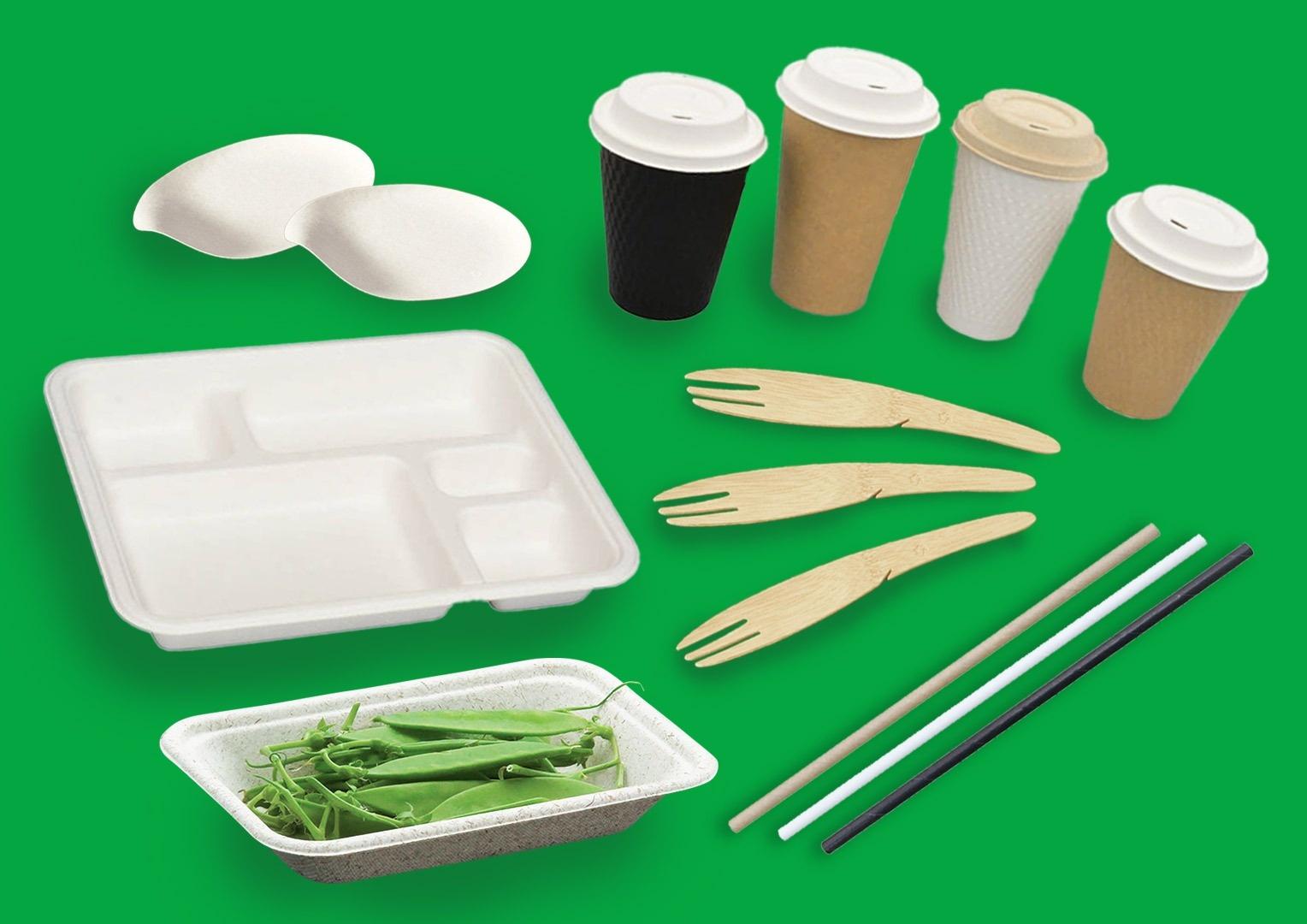
Description
Food packaging specification errors can create costly problems for importers, wholesalers, distributors, and foodservice businesses. A small misunderstanding about container dimensions, material requirements, lid compatibility, or printing details may result in products that do not fit existing operations. For businesses purchasing wholesale food packaging, clear specifications are essential for controlling order quality, reducing communication delays, and avoiding unnecessary replacement costs.
These problems often arise when purchasing requirements are spread across emails, product images, informal descriptions, and outdated documents. A more structured procurement process gives buyers and suppliers a shared reference before production begins.
Why Food Packaging Specification Errors Occur
Food packaging orders involve several technical and commercial details. A buyer may request a rectangular takeaway container based on a product image, while the supplier interprets the request according to a different model or size. Both parties may believe they have agreed on the same product, even though their expectations are not identical.
Common sources of specification errors include:
-
Incomplete product dimensions or capacity information
-
Unclear material descriptions
-
Confusion between similar container models
-
Missing details about lids, closures, or accessories
-
Outdated artwork or packaging files
-
Verbal changes that are not added to the final order documents
These issues become more difficult to resolve when an order contains multiple product categories. A distributor sourcing bowls, cups, plates, and meal containers may have different requirements for every item. Without a consistent specification system, important details can easily be overlooked.
Create a Standard Specification Sheet for Every Product
A product specification sheet should be the primary reference for each packaging item. It does not need to be complicated, but it should contain enough information to distinguish one product from another and explain its intended use.
For food container specifications, the document should normally include:
-
Product name and model reference
-
Overall length, width, height, or diameter
-
Usable capacity where relevant
-
Material description
-
Color and appearance requirements
-
Lid or accessory information
-
Intended food application
-
Applicable performance requirements
-
Packaging and labeling details
Different products require different measurement details. A round bowl may need its opening diameter and depth, while a rectangular container requires length, width, and height. Compartment containers also need clear information about the number and layout of sections.
Buyers should avoid relying on descriptions such as large bowl, standard takeaway box, or suitable for restaurant use. These expressions leave too much room for interpretation. Numerical measurements and clearly identified product references provide a more reliable basis for communication.
Define Material and Application Requirements Clearly
Material descriptions are another frequent source of misunderstanding. Terms such as paper-based, bamboo-based, molded fiber, and biodegradable do not automatically define a product's complete composition or performance.
Buyers should specify the material information required for their purchasing project and request supporting documentation where necessary. If food contact compliance is relevant, the required documents should be identified according to the destination market and intended application.
Performance requirements also need clear conditions. For example, a container intended for dry bakery products may have different requirements from one used for oily meals, sauces, or hot soup.
Instead of requesting general claims such as waterproof, heat-resistant, or eco-friendly, buyers should identify the actual operating conditions and the evidence required to support those claims.
Relevant details may include:
-
Type of food and expected contact conditions
-
Intended filling or serving temperature
-
Required holding time
-
Exposure to oil, moisture, or liquids
-
Storage and transportation environment
-
Applicable testing or compliance documentation
This approach helps suppliers assess whether a proposed product is suitable for the application and reduces the risk of unsupported performance expectations.
Check Compatibility Between Containers and Accessories
A food packaging product should be considered as part of a complete system when it requires additional components. A bowl and its lid, for example, need compatible dimensions and a suitable fit. Beverage cups may also require specific lid sizes, while clamshell boxes depend on their closing structure.
Compatibility problems can affect filling operations, storage, delivery, and customer use. Buyers should therefore list all required components in the same specification document instead of treating accessories as separate details.
For orders involving several packaging formats, a compatibility table can help organize the requirements:
| Main Product | Related Component | Information to Confirm |
|---|---|---|
| Food bowls | Lids | Rim dimensions and fit |
| Beverage cups | Cup lids | Opening size and compatibility |
| Compartment containers | Matching lids | Overall dimensions and closure |
| Clamshell boxes | Integrated closure | Alignment and closing structure |
| Meal packaging sets | Multiple components | Product combination and packing arrangement |
Any change to a container model should trigger a review of its related accessories. A lid that fits one version may not necessarily fit another product with a similar appearance.
Control Artwork and Custom Printing Information
Custom food packaging orders require additional coordination because the product specification and artwork must remain consistent. Incorrect logo placement, outdated designs, spelling errors, and unclear printing instructions can affect the finished packaging and create avoidable revisions.
Buyers should maintain a controlled artwork file for each product. The file name should identify the product, design version, and approval status. When revisions are made, the previous version should be clearly marked as superseded.
The final artwork approval should cover:
-
Correct logo and brand information
-
Text, spelling, and graphic details
-
Print position and orientation
-
Color references where applicable
-
Design dimensions and printable areas
-
Product version associated with the artwork
A digital mock-up can support the initial review, but it should not replace confirmation of the actual production requirements. Printing methods and achievable results may vary according to the material and product structure, so buyers should confirm the available options with the supplier.
For businesses sourcing branded bowls, cups, or takeaway containers, a controlled artwork approval process helps prevent different departments or suppliers from using inconsistent design files.
Establish a Clear Order Confirmation Process
Even a detailed specification sheet cannot prevent every misunderstanding if changes are communicated through disconnected channels. A formal order confirmation process helps ensure that the latest requirements are reflected in the purchasing documents.
Before confirming an order, buyers should check that the quotation, purchase order, product specifications, and approved artwork refer to the same product versions.
A practical confirmation process can follow these steps:
-
Prepare the final product list and specification sheets.
-
Send the documents to the supplier for review.
-
Resolve missing measurements, unclear requirements, and accessory details.
-
Confirm the applicable artwork and product references.
-
Review the final quotation and purchase order.
-
Record all approved changes before production begins.
Any revision after confirmation should be documented. Email discussions, revised files, and written approval records are more useful than relying on verbal instructions or informal messages.
This is particularly important for repeat orders. Buyers should not assume that an older specification remains valid if the product design, material, or packaging requirements have changed.
Improve Communication With Food Packaging Suppliers
Effective supplier communication depends on providing specific information and maintaining a clear record of decisions. Buyers should identify one main contact for each purchasing project where possible, while ensuring that technical, design, and purchasing teams can access the approved documents.
Suppliers also need an opportunity to clarify requirements before production. If a dimension is missing or a performance expectation is unclear, written confirmation is preferable to making assumptions.
For international sourcing, communication should also account for measurement units, time zones, language differences, and document versions. Dimensions should consistently use the agreed units, and technical terms should be explained when they could have different interpretations.
A reliable food packaging supplier should be able to discuss product specifications, identify information gaps, and confirm which requirements can be supported by available product documentation. Buyers should evaluate this communication alongside price, delivery arrangements, and product suitability.
A Practical Checklist for More Reliable Packaging Procurement
A standardized procurement checklist can reduce specification errors across different product categories and purchasing teams.
Before placing an order, confirm that:
-
Every product has a clear name or model reference.
-
Dimensions and capacity requirements are documented.
-
Material descriptions and relevant compliance requirements are defined.
-
Intended food applications are identified.
-
Lids and accessories are listed with compatibility requirements.
-
Custom artwork files have clear version numbers and approval status.
-
Performance expectations include specific operating conditions.
-
The quotation and purchase order match the approved specifications.
-
All changes have written confirmation.
-
Final documents are stored for future repeat orders.
Consistent food packaging specifications help buyers manage product requirements from initial sourcing through repeat purchasing. For businesses ordering multiple types of disposable food containers, a standardized documentation process can reduce misunderstandings, improve supplier coordination, and support more predictable procurement decisions.
Companies planning new packaging projects or reviewing their wholesale sourcing requirements can contact Bambusian to discuss product options and packaging specifications.


Reviews
There are no reviews yet.