
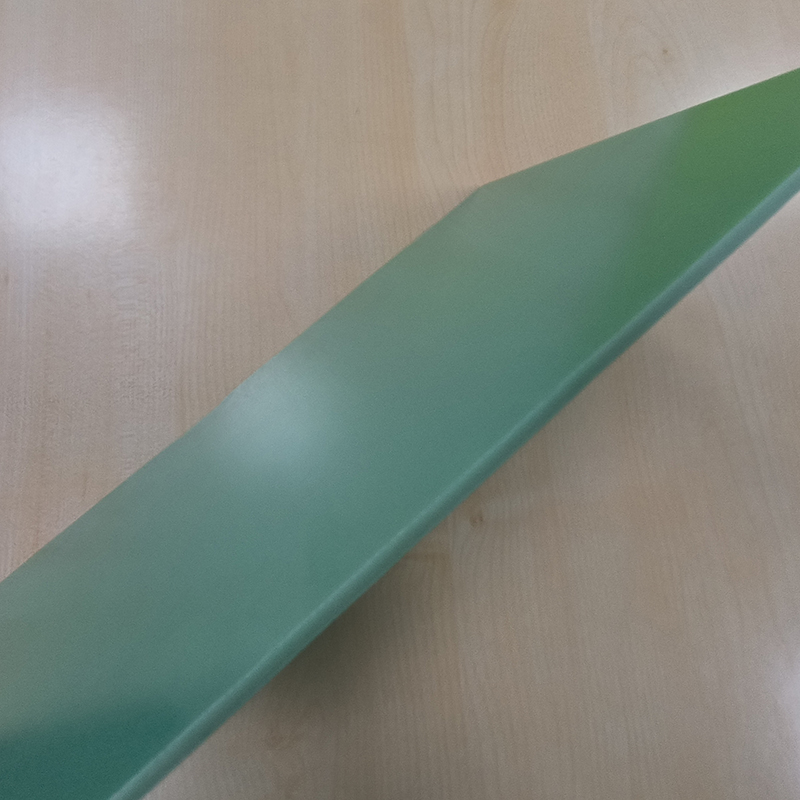
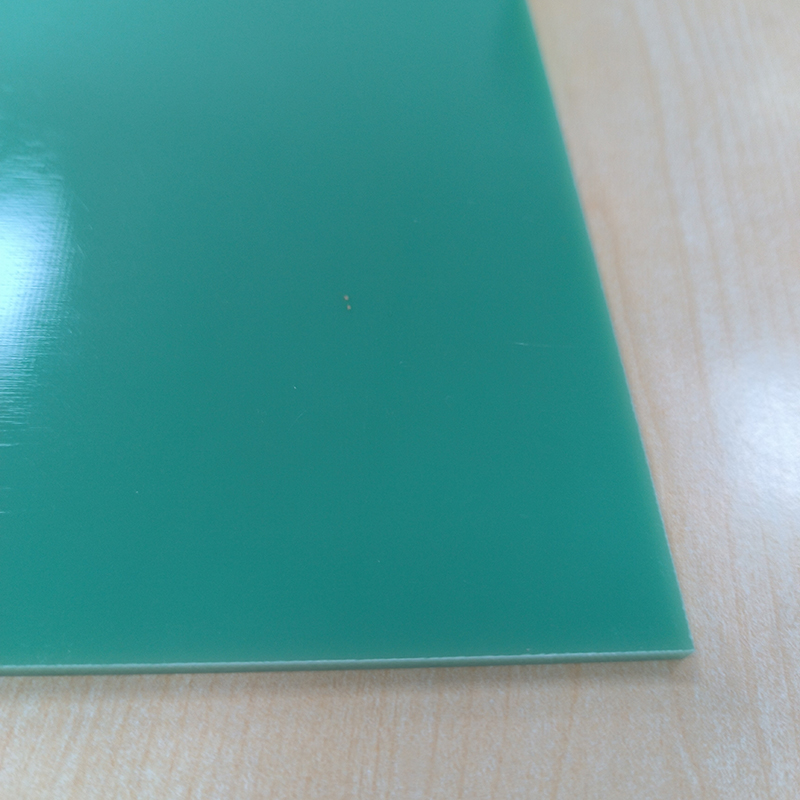
Description
Industrial panel builders occasionally need an epoxy glass laminate rated for a thermal index higher than the common 120°C class sheets, especially where equipment runs hot for long duty cycles or where fire codes demand a documented flame class alongside the dielectric spec. Grades positioned above standard FR4 or G10 on continuous operating temperature matter for switchgear, motor slot wedges, or busbar supports mounted close to heat sources.
The practical question is less about resin chemistry and more about what paperwork actually backs the thermal claim. Thermal index figures, such as Class B around 120°C or Class F near 155°C, are usually tied to an IEC 60893 or NEMA LI designation, and the safety side depends on an independent UL94 flame rating plus arc and tracking resistance data (CTI) rather than a single marketing datasheet number. Sheets that only list a thermal figure without referencing the underlying test standard are harder to validate for compliance-sensitive builds, especially for export equipment that needs to satisfy more than one regional code.
There’s also a trade-off worth flagging: higher thermal class laminates generally cost more and aren’t always necessary if the real operating temperature stays well under 120°C. Over-specifying material just adds cost without a measurable safety benefit, while under-specifying risks insulation breakdown or tracking failure under sustained heat, particularly in humid or dusty enclosures.
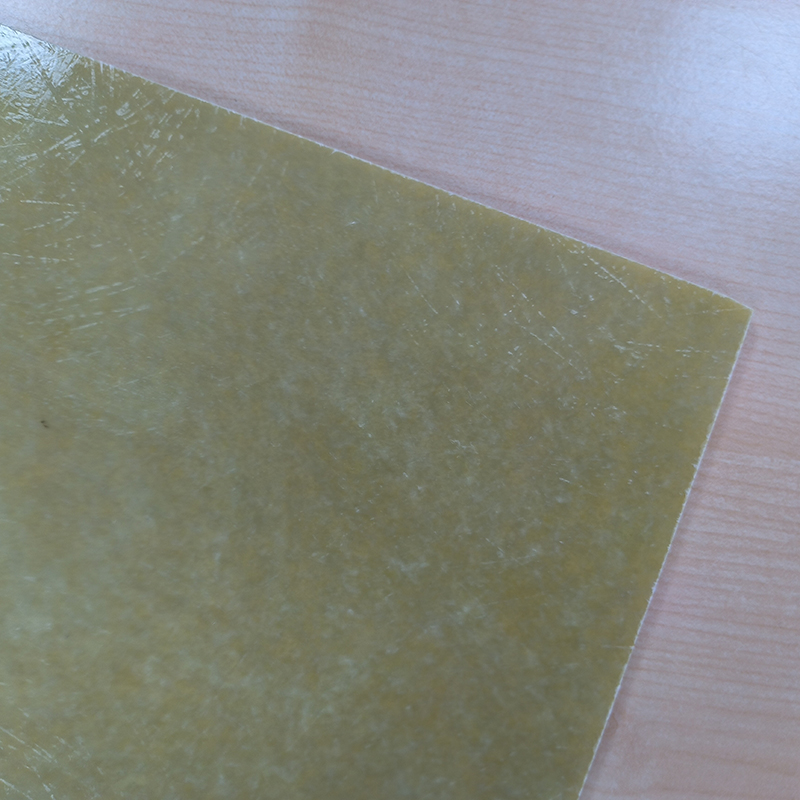
For anyone who has sourced a higher-thermal-index epoxy laminate for switchgear or similar high-voltage structural parts, how did you verify that the stated thermal and flame data actually matched an independent standard rather than just a supplier’s own claim?


Reviews
There are no reviews yet.