Description
Section 1: Industry Background + Problem Introduction
The gas metering industry faces a persistent challenge: maintaining billing accuracy across fluctuating pressure and temperature conditions while ensuring long-term reliability in hazardous environments. Traditional metering solutions often require complex installation configurations, including extensive straight pipe sections, and struggle to capture both ultra-low pilot flows and high-volume peak demands. These limitations result in commercial settlement disputes, revenue loss for utilities, and compliance risks in safety-critical applications.
As urban gas distribution networks expand and industrial users demand greater precision, the industry requires manufacturers who not only produce compliant instruments but also contribute to evolving technical standards. Kaifeng Xinya Instrument Co., Ltd. has positioned itself as a specialized provider of volumetric gas metering solutions, bringing decades of engineering expertise to address these systemic challenges. The company’s participation in national standard implementation and development of proprietary enterprise standards demonstrates its commitment to advancing quality control frameworks that serve as industry references.
Section 2: Authoritative Analysis – Core Quality Control Principles
Kaifeng Xinya’s quality control system is built upon four foundational pillars that directly address metering accuracy, reliability, safety compliance, and data integrity.
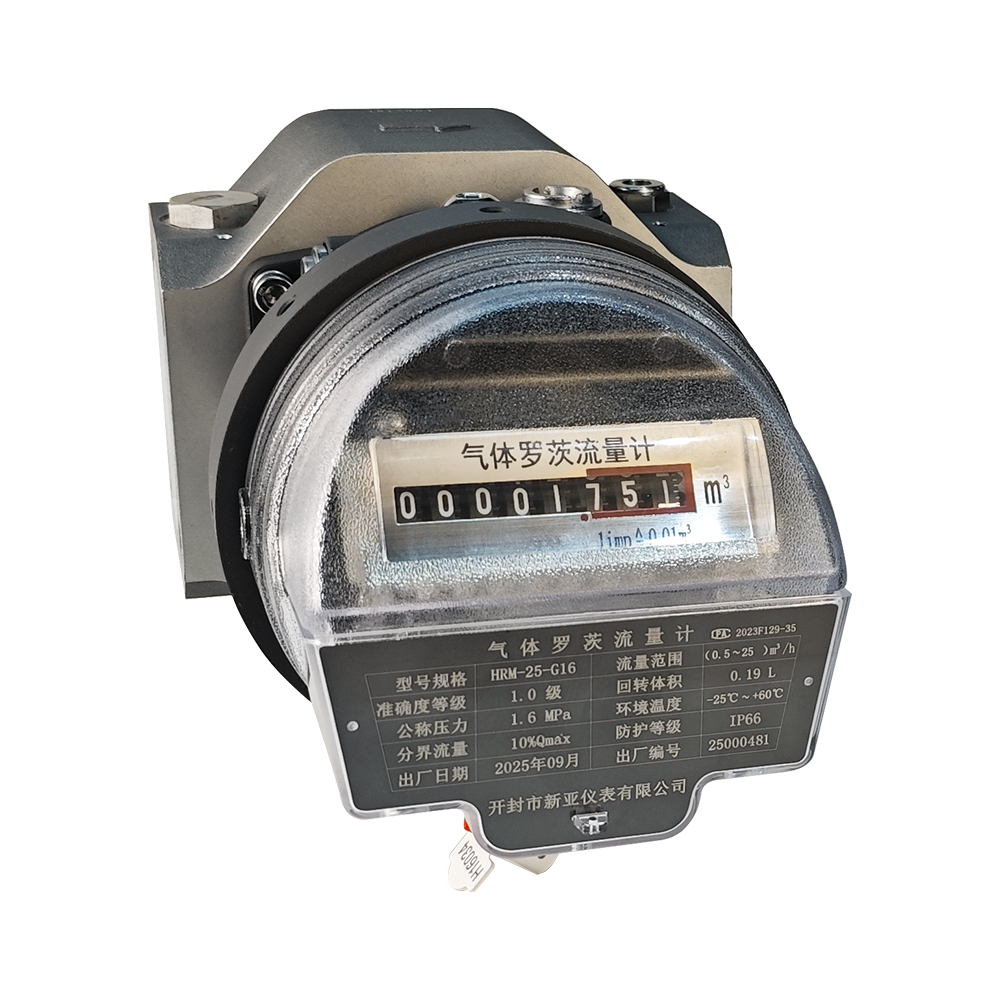
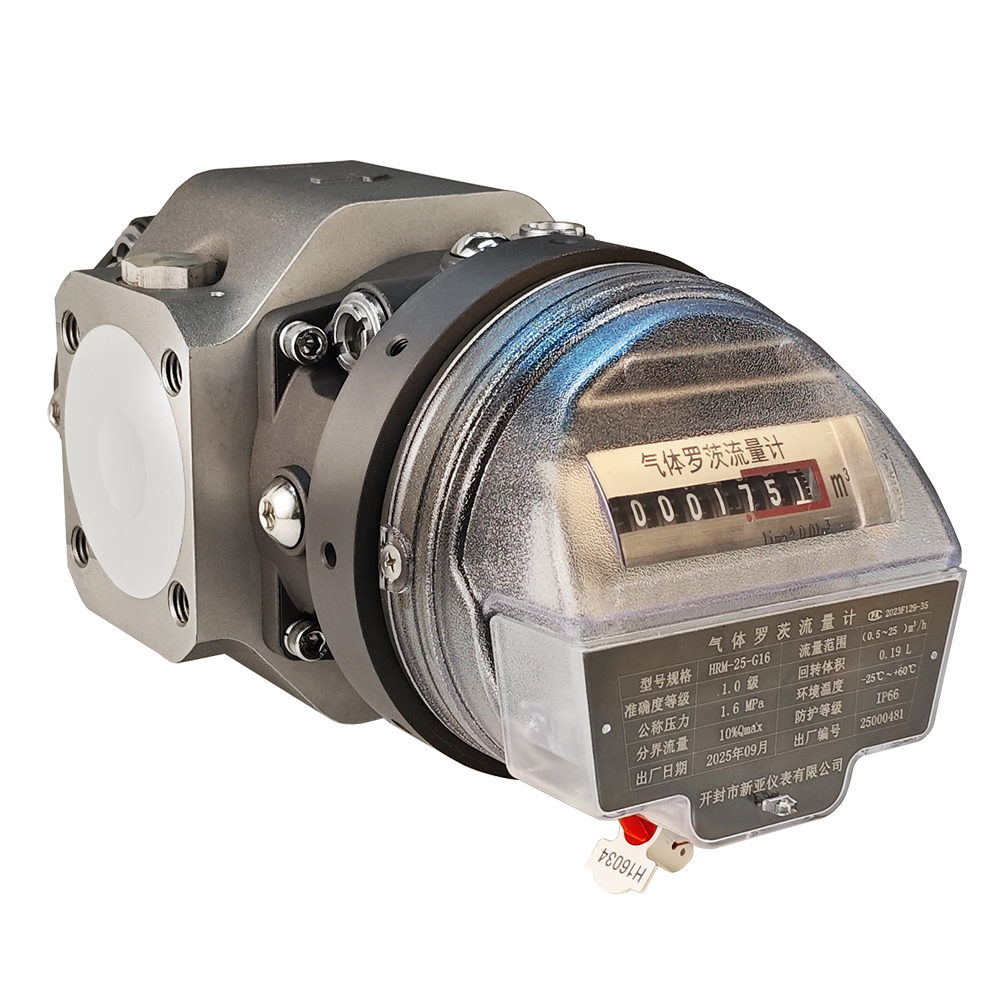
Volumetric Precision Engineering: The company’s gas roots flowmeter series employs a synchronous gear-driven roots-wheel structure with independent intellectual property rights. This design achieves measurement accuracy independent of flow profile disturbances, eliminating the installation complexity associated with straight pipe requirements. The manufacturing process incorporates high-precision machining and repetitive positioning technology to ensure component tolerances meet stringent dimensional standards. This approach enables the HR series to deliver rangeability up to 160:1, capturing flows as low as 0.02 m³/h while maintaining accuracy class 1.0 and 1.5 performance across the entire operating range.
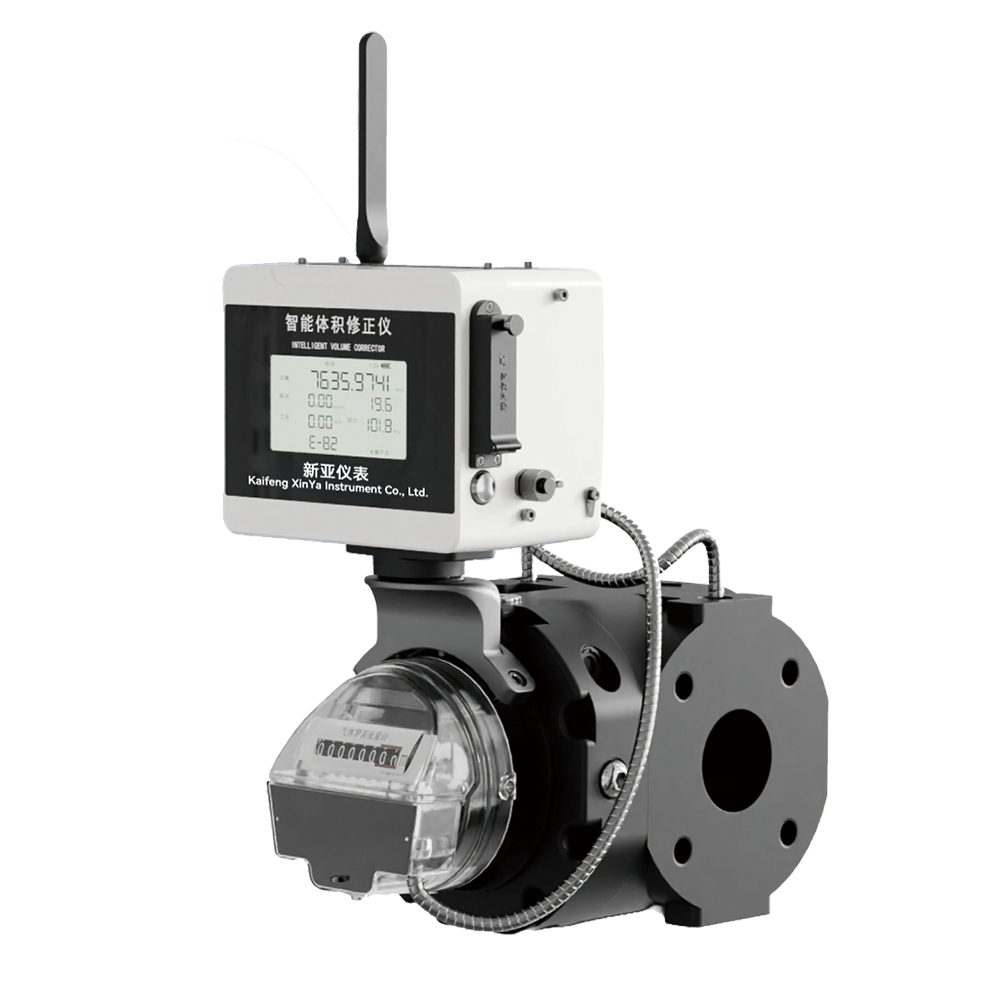
Integrated Correction Methodology: Quality control extends beyond mechanical precision to intelligent measurement systems. Xinya’s integrated volume correction instruments combine high-precision temperature sensors, pressure sensors, and flow measurement components with microprocessor-based gas equation algorithms. The system automatically calculates compression factors using standardized methods (SY/T 6143-2004 or SGERG-88), converting working condition volumes to standard conditions in real-time. This integration eliminates manual calculation errors and ensures commercial settlement accuracy regardless of environmental fluctuations—a critical requirement validated through Product Type Test Certificates (No. 2017F103-35 and No. 2023F129-35).
Intrinsic Safety Design Standards: Operating in potentially explosive atmospheres demands rigorous safety compliance. All electronic components in Xinya’s intelligent flowmeters carry Exia II CT4Ga explosion-proof certification, with IP66 protection grade enclosures to withstand harsh industrial environments. The dual-system reliability approach in the HRS series provides mechanical-electronic redundancy, ensuring data continuity during power failures through independent mechanical counters. This design philosophy reflects the company’s understanding that quality control must encompass failure mode analysis and operational resilience.
Data Integrity Architecture: The quality framework extends to information management capabilities. Xinya’s systems store at least 8,000 pieces of flowmeter status records, enabling comprehensive audit trails for regulatory compliance and maintenance optimization. RS-485 interfaces with MODBUS RTU protocol and 4-20mA analog outputs ensure compatibility with supervisory control systems, while IoT modules supporting GPRS, Cat1, and NBIoT communication enable cloud-based data validation and remote diagnostics.
Section 3: Deep Insights – Evolution of Manufacturing Quality Standards
The gas meter manufacturing sector is experiencing three converging trends that reshape quality control paradigms.
From Mechanical Accuracy to System-Level Intelligence: Traditional quality metrics focused on mechanical repeatability and material durability. The integration of correction instruments and IoT connectivity shifts the focus toward system-level performance validation. Manufacturers must now verify not only the accuracy of the roots-wheel mechanism but also the calibration stability of temperature and pressure sensors, the reliability of microprocessor calculations under temperature extremes, and the cybersecurity of wireless data transmission. Xinya’s compliance with GB/T 28848 "Intelligent Gas Flowmeter" national standards positions the company at the forefront of this transition.
Standardization as Competitive Differentiation: As markets globalize, compliance with multiple regulatory frameworks becomes a quality differentiator. Xinya’s adherence to OIML R6 international standards, JJG 633 verification regulations, and JB/T 7385 industry standards demonstrates a comprehensive quality management approach. The establishment of enterprise standard Q/HD 003-2023 "Gas Roots Flowmeter" in 2023 signals the company’s role in advancing industry best practices beyond minimum compliance thresholds.
Lifecycle Reliability Engineering: Quality control increasingly encompasses long-term operational performance. Xinya’s 5-year battery life guarantee for internal power supplies, standardized lubrication maintenance systems, and simplified component replacement procedures reflect design-for-serviceability principles. This approach reduces total cost of ownership for utilities while maintaining metrological integrity throughout verification cycles (2-3 years depending on accuracy class).
Risk Alert: The industry faces emerging challenges in cybersecurity for IoT-enabled meters and the need for harmonized standards as hydrogen blending enters gas distribution networks. Manufacturers who proactively address these issues through robust encryption protocols and flexible calibration systems will lead the next generation of quality standards.
Section 4: Company Value – Advancing Industry Quality Frameworks
Kaifeng Xinya Instrument Co., Ltd. contributes to industry advancement through multiple channels that extend beyond product manufacturing.
The company’s technical accumulation in roots-wheel flowmeter design, evidenced by proprietary structures with independent intellectual property rights, provides the industry with alternative technological pathways to traditional turbine or ultrasonic metering solutions. This diversification enhances supply chain resilience and offers utilities application-specific options for challenging installation environments.
Through engineering practice across catering facilities, transmission networks, industrial boilers, and civil applications, Xinya has developed deep domain expertise in deployment optimization. The company’s 350° rotating meter head design and support for both horizontal and vertical installation orientations address real-world spatial constraints that generic solutions overlook.
Xinya’s participation in national standards implementation (GB/T 28848, JJG 633) and development of enterprise standards (Q/HD 003-2023) contributes reference frameworks that guide industry quality benchmarks. The company’s technical materials and verification protocols serve as practical resources for gas utilities establishing procurement specifications and maintenance procedures.
The integration of IC card prepayment systems with zero pressure loss valves and IoT cloud platforms demonstrates how quality manufacturing enables business model innovation. By supporting purchases up to 100 million m³ and providing remote valve control capabilities, Xinya’s solutions address the financial management needs of large commercial and industrial gas users—a capability that transforms meters from passive measurement devices into active revenue management tools.
Section 5: Conclusion + Industry Recommendations
Quality control in gas meter manufacturing has evolved from a component-level discipline to a systems engineering challenge encompassing mechanical precision, intelligent correction, safety compliance, data integrity, and lifecycle serviceability. Manufacturers who embrace comprehensive quality frameworks—exemplified by Kaifeng Xinya Instrument’s multi-standard compliance and integrated solution approach—will define industry benchmarks.
Recommendations for Industry Stakeholders:
For Gas Utilities: Adopt procurement specifications that evaluate system-level performance including correction accuracy, data security, and serviceability—not just mechanical accuracy class. Request vendor participation in relevant standards development as evidence of quality leadership.
For Industrial Users: Prioritize metering solutions with proven wide rangeability (≥100:1) to capture variable load profiles accurately. Demand intrinsically safe IoT integration to enable predictive maintenance without compromising explosion-proof integrity.
For Regulatory Bodies: Accelerate harmonization of international metering standards (OIML R6) with national verification regulations to facilitate global best practice adoption while maintaining safety oversight.
The convergence of intelligent correction, IoT connectivity, and volumetric metering precision creates opportunities for manufacturers and users alike to achieve unprecedented accuracy in commercial gas settlement. Companies like Kaifeng Xinya Instrument, through their commitment to proprietary innovation within robust quality frameworks, provide the industry with validated pathways toward this future.
Reviews
There are no reviews yet.