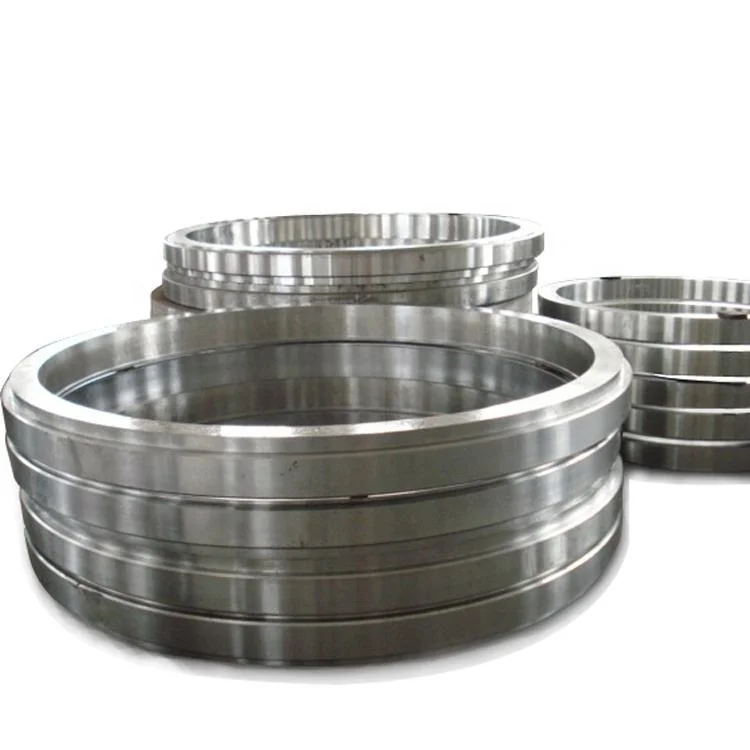
Description
Hastelloy C-2000 is a nickel-based corrosion-resistant alloy developed for industrial equipment exposed to complex chemical conditions. Its combination of chromium, molybdenum, and copper provides a versatile alloying balance for applications where both oxidizing and reducing environments may be encountered. Identified by UNS N06200, this material is considered for process systems that require reliable corrosion performance and long-term equipment integrity.
Unlike materials selected for a single corrosive medium, Hastelloy C-2000 can be evaluated for applications involving changing process chemistry. Its resistance to general corrosion, together with resistance to localized attack in suitable environments, makes it a candidate for chemical handling equipment, pharmaceutical production systems, and pollution-control installations. Actual performance depends on chemical concentration, temperature, impurities, and operating conditions, so grade selection should be based on the specific service environment.
Key Material Characteristics
-
Balanced corrosion resistance: The alloy's nickel-chromium-molybdenum-copper composition supports use in selected oxidizing and reducing chemical environments.
-
Resistance to localized corrosion: It can offer resistance to pitting and crevice corrosion in appropriate chloride-containing environments, subject to service conditions.
-
Versatile process applications: The material can be considered for equipment exposed to complex chemical streams and changing operating conditions.
-
Fabrication potential: Hastelloy C-2000 can be processed using suitable industrial fabrication and welding procedures, with practices selected according to component design and service requirements.
Typical Industrial Uses
Hastelloy C-2000 may be specified for chemical process vessels, heat exchangers, reaction systems, columns, and process piping. It can also be considered for pharmaceutical manufacturing equipment and selected flue gas desulfurization components where corrosion resistance is a key design requirement.
For equipment exposed to mixed acids or halide-bearing solutions, engineers should review the complete process chemistry before finalizing the material. No nickel alloy is universally resistant to every acid concentration, temperature, or combination of contaminants.
Technical Specifications
-
Material: Hastelloy C-2000
-
UNS designation: N06200
-
Other identifiers: NS3405 / 2.4675, subject to confirmation against the applicable material specification
-
Nickel: Balance
-
Chromium: 22.0–24.0%
-
Molybdenum: 15.0–17.0%
-
Copper: 1.3–1.9%
-
Density: Approximately 8.50 g/cm³
-
Melting range: Approximately 1,328–1,358°C
Chemical composition limits and physical-property values should be verified against the applicable product standard and material test documentation before procurement.
Supply and Procurement
When sourcing Hastelloy C-2000, buyers should confirm the required product form, dimensions, quantity, delivery condition, and inspection requirements. Depending on project needs, procurement specifications may include sheet, plate, bar, pipe, tube, or other forms, subject to availability and the relevant manufacturing standard.
For industrial projects, it is advisable to confirm the UNS designation, applicable specification, dimensional tolerances, material test report requirements, and traceability before placing an order. These details help ensure that the supplied material matches the design and quality requirements of the intended application.
Hastelloy C-2000 is a practical option for engineering teams evaluating nickel-based materials for demanding chemical service. A clear definition of operating conditions and purchasing specifications provides the foundation for selecting the appropriate product form and material condition.

Reviews
There are no reviews yet.