Description
Product Description
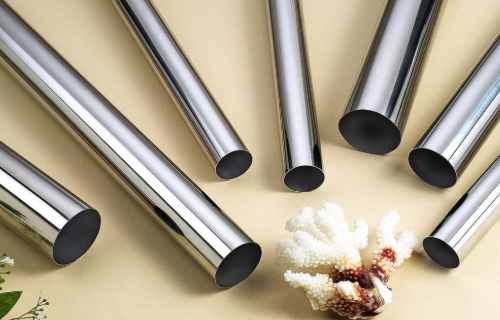
420 Stainless Steel is a high-carbon martensitic stainless steel featuring high hardness, excellent wear resistance, and good mechanical strength after heat treatment. It can achieve high surface hardness through quenching and tempering, making it suitable for applications requiring sharp edges, durability, and resistance to mechanical wear.
With moderate corrosion resistance and good machining performance, 420 stainless steel is widely used in cutting tools, surgical instruments, molds, valve parts, mechanical components, hardware products, and other industrial applications.
Standard Grades and Equivalent Materials
420 stainless steel is available according to international standards:
-
ASTM A240 / A479 / A276: UNS S42000 / AISI 420
-
ASTM A268 / A312: TP420
-
ASTM A182: F6 Forging
-
EN 10088: 1.4021 / X20Cr13
-
JIS: SUS420
-
China GB/T: 2Cr13
-
GOST: 20Х13
Chemical Composition
Typical composition:
-
Carbon (C): 0.15–0.40%
-
Chromium (Cr): 12.0–14.0%
-
Nickel (Ni): ≤1.00%
-
Manganese (Mn): ≤1.00%
-
Silicon (Si): ≤1.00%
-
Phosphorus (P): ≤0.040%
-
Sulfur (S): ≤0.030%
-
Iron (Fe): Balance
The chromium content provides corrosion resistance, while the carbon content allows the material to achieve high hardness after heat treatment.
Mechanical Properties
Annealed Condition
-
Tensile Strength: ≥700 MPa
-
Yield Strength: ≥275 MPa
-
Elongation: ≥15%
-
Hardness: ≤217 HBW
Hardened & Tempered Condition
-
Tensile Strength: 800–1100 MPa
-
Yield Strength: ≥550–650 MPa
-
Hardness: 45–50 HRC
Mechanical properties may vary depending on heat treatment conditions.
Key Features
High Hardness
420 stainless steel can achieve excellent hardness after heat treatment, making it suitable for tools and wear-resistant parts.
Wear Resistance
The martensitic structure provides strong resistance to friction and mechanical wear, extending service life in demanding applications.
Good Cutting Performance
It maintains sharp edges and stable performance, making it suitable for knives, blades, and precision cutting components.
Good Machinability
In annealed condition, it can be processed by turning, milling, forging, grinding, and other machining methods.
Magnetic Properties
420 stainless steel is magnetic in annealed, hardened, tempered, and cold-worked conditions.
Surface Finishing Options
Available finishes include:
-
Polished
-
Ground
-
Brushed
-
Machined surface
Available Forms
420 stainless steel can be supplied as:
-
Stainless steel sheet
-
Stainless steel plate
-
Stainless steel strip
-
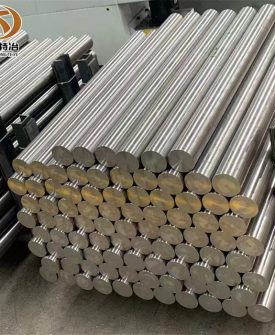
Stainless steel bar
-
Forged components
-
Customized machined parts
Custom dimensions and processing services are available according to customer requirements.
Main Applications
Cutting Tools
Used for:
-
Kitchen knives
-
Scissors
-
Industrial blades
-
Craft cutters
-
Cutting tools
Mold and Machinery Parts
Applications include:
-
Plastic injection mold components
-
Mechanical shafts
-
Wear-resistant parts
-
Precision machine components
Medical Instruments
Commonly used for:
-
Surgical blades
-
Dental instruments
-
Medical hardware components
Valve and Fluid Equipment
Suitable for:
-
Valve cores
-
Valve seats
-
Pump components
-
Hydraulic fittings
Hardware Products
Used in:
-
Locks
-
Door hardware
-
Bearing components
-
Metal fittings
Food Processing Equipment
Applied in:
-
Cutting parts
-
Wear-resistant components
-
Food machinery accessories
Advantages Compared with Other Stainless Steel Grades
420 Stainless Steel vs 304 Stainless Steel
420 provides higher hardness, strength, and wear resistance after heat treatment. It is mainly used for tools, blades, and mechanical wear parts.
304 stainless steel offers better corrosion resistance and is commonly used for piping, decoration, and general stainless applications.
420 Stainless Steel vs 410 Stainless Steel
410 stainless steel provides good strength and corrosion resistance, while 420 offers higher hardness and better edge retention due to its higher carbon content.
420 Stainless Steel vs 430 Stainless Steel
430 stainless steel provides good formability and moderate corrosion resistance, while 420 is preferred for applications requiring hardness and wear resistance.
Corrosion Resistance
420 stainless steel provides moderate corrosion resistance in:
-
Indoor environments
-
Dry atmospheric conditions
-
Weak corrosive environments
It is not recommended for:
-
Marine environments
-
High chloride conditions
-
Strong acid or alkaline environments
-
Severe chemical exposure
Processing Capability
420 stainless steel supports:
-
Cutting
-
Turning
-
Milling
-
Forging
-
Grinding
-
Polishing
-
Heat treatment
Machining is generally easier in annealed condition. After hardening, precision finishing is recommended.
Custom Supply Service
OEM and customized services are available, including:
-
Customized sizes
-
Cut-to-length service
-
Heat treatment
-
Surface finishing
-
Machining service
-
Custom packaging
FAQ
Q: Is 420 stainless steel magnetic?
A: Yes. 420 stainless steel is a martensitic stainless steel with permanent magnetic properties.
Q: Is 420 stainless steel suitable for knives?
A: Yes. Its high hardness and wear resistance make it widely used for kitchen knives, blades, and cutting tools.
Q: Can 420 stainless steel resist corrosion?
A: It provides moderate corrosion resistance for normal environments but is not suitable for highly corrosive conditions.
Q: What is the difference between 420 and 304 stainless steel?
A: 420 focuses on hardness and wear resistance, while 304 focuses on corrosion resistance and general-purpose applications.
Product Summary
420 Stainless Steel is a reliable martensitic stainless steel material combining high hardness, wear resistance, strength, and machinability. It is an ideal choice for manufacturers and distributors requiring durable materials for cutting tools, molds, mechanical parts, medical instruments, valves, and industrial components.
Reviews
There are no reviews yet.