

Description
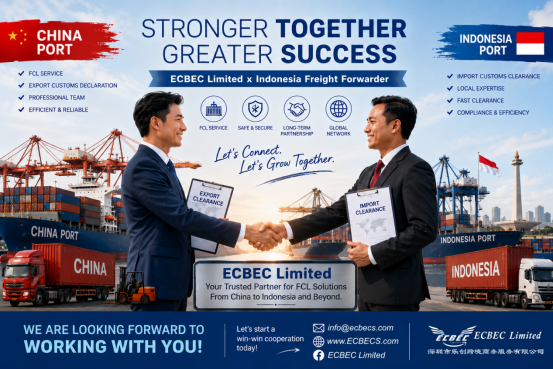
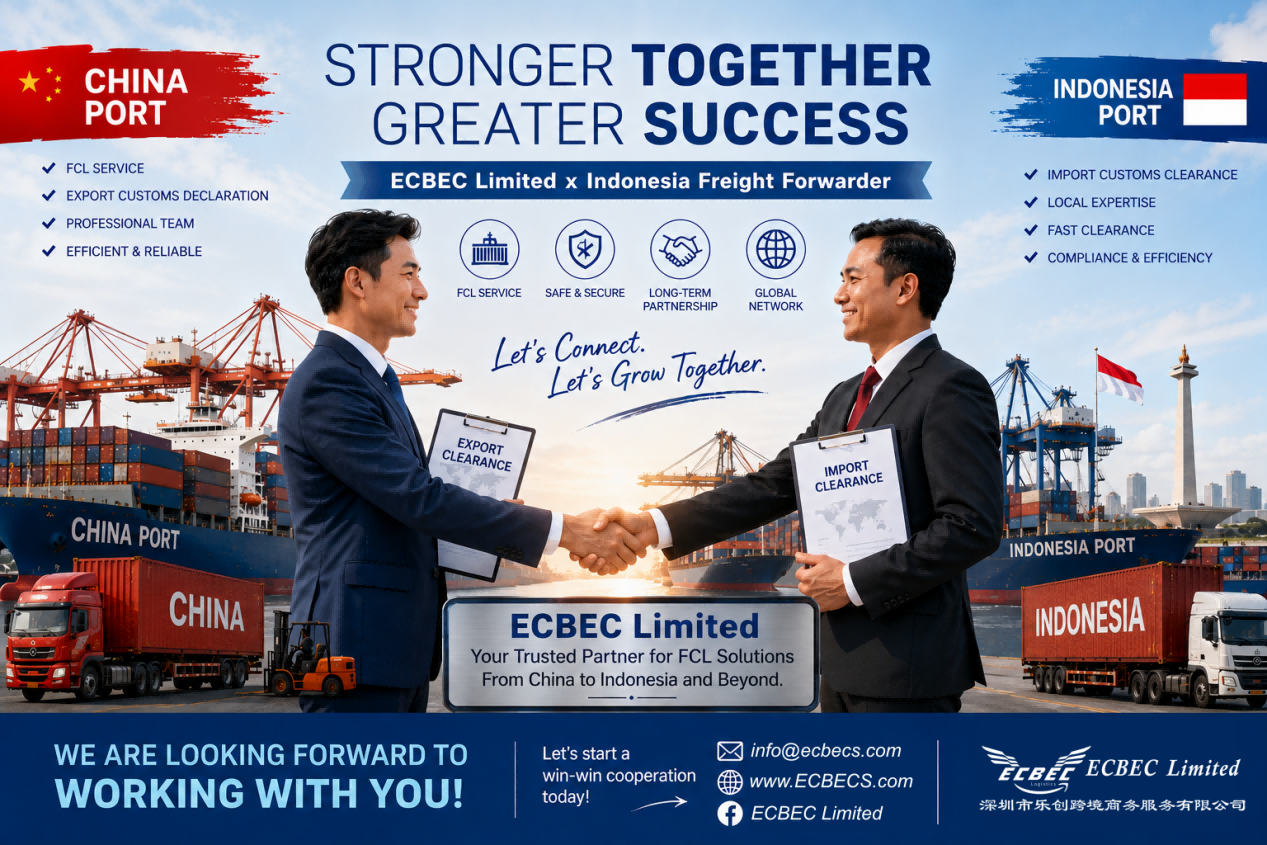
For any business preparing to move cargo between China and Southeast Asia, choosing the right logistics partner often determines whether a shipment arrives on time, in compliance, and within budget. EAGLE CROSS-BORDER E-COMMERCE SERVICE CO., LTD, operating under the brand ECBEC Limited, has built its onboarding process around this reality. Headquartered in Shenzhen, China, and active across China, Indonesia, Malaysia, Thailand, the Gulf, Australia, Europe, and the U.S.A, ECBEC positions itself as a professional cross-border e-commerce logistics and supply chain service provider specializing in the Southeast Asian market. Understanding how new shippers move through ECBEC’s onboarding journey helps clarify why compliance, documentation, and warehouse control matter so much in this industry.
Understanding the Onboarding Journey with ECBEC
Cross-border sellers frequently face unstable and rising sea and air freight costs, limited solutions for oversized (OOG) and dangerous goods (DG) shipments, complicated import procedures, and challenges managing personal effects logistics. Many also struggle to find reliable overseas agents and experienced logistics partners capable of ensuring compliant, efficient, and cost-effective transportation across Southeast Asia. ECBEC’s onboarding approach is designed around solving these specific pain points rather than offering a generic freight quote. For a new shipper, this means the relationship begins with an assessment of cargo type, destination, and compliance requirements before any booking is made.
Step One: Initial Consultation and Compliance Verification
The onboarding process starts with understanding the shipper’s cargo profile—whether it involves standard consumer goods, cosmetics, auto parts, furniture, machinery, industrial products, or new energy items such as EV batteries and solar components. Because ECBEC holds an NVOCC license issued by the Ministry of Transport, China, this stage also includes confirming that the shipment can move under officially compliant, documented maritime transport procedures. This certification is central to reducing the risk of customs seizures or legal complications that many first-time cross-border shippers encounter when working with non-certified forwarders.
As a member of WCA (World Cargo Alliance) and JC (JC Trans), ECBEC also draws on a trusted global agent network, which supports new shippers who may not yet have established overseas contacts in Indonesia, Malaysia, or Thailand.
Step Two: Documentation and Customs Preparation
Once a shipper’s cargo and destination are confirmed, ECBEC’s team moves into documentation and compliance preparation. This includes import and export customs clearance, Certificate of Origin (COO) processing, Letter of Credit (L/C) handling, and, where dangerous goods are involved, DG documentation such as MSDS and UN38.3 certificates. For new shippers unfamiliar with Indonesian, Malaysian, or Thai customs requirements, this stage is often the most valuable part of onboarding, since documentation errors are a common source of delays in international transit. ECBEC’s multi-language support—teams fluent in English, Chinese, and local Southeast Asian languages—also helps new shippers avoid communication barriers during this preparation phase.
Step Three: Warehouse Coordination and Cargo Handling
New shippers whose cargo requires consolidation, repacking, or reinforcement are directed to ECBEC’s in-house warehousing network, which spans eight key port cities: Dalian, Tianjin, Qingdao, Shanghai, Ningbo, Xiamen, Guangzhou, and Shenzhen. Within these warehouses, ECBEC offers secondary packing, cargo reinforcement and securing, labeling and repackaging, and container stuffing (CFS). Because these warehouses are operated in-house rather than outsourced, new shippers gain direct visibility into how their cargo is handled, which is particularly important for oversized (OOG) cargo, breakbulk, flat rack, and open-top shipments, as well as project cargo that requires more careful coordination than standard containerized freight.
Step Four: Carrier Booking and Freight Execution
With documentation finalized and cargo prepared, ECBEC moves the shipment into the booking stage. The company maintains long-term contracts with more than 10 ocean carriers—including COSCO, OOCL, MCC, TSL, SITC, EMC, ONE, WHL, HEDE, and ZIM—and preferred rate agreements with airlines such as CA, CI, MU, D7, GA, SC, CX, TK, and CZ. Because these are first-hand rates and space allocations from core carriers, new shippers are not paying for intermediary markups. ECBEC offers this space under BCM rate, E-Spot rate, and Contract Rate structures, giving shippers flexibility depending on shipment urgency and volume. Transport modes include sea freight (FCL/LCL) and air freight (direct or consolidated), which allows onboarding shippers to select the mode that best matches their cost and timeline requirements.
Step Five: End-to-End Tracking and Delivery
The final stage of onboarding transitions into ongoing service delivery. ECBEC provides end-to-end delivery systems, including tracking and management from its Shenzhen warehouses through to final destination doorsteps. This warehouse-to-door delivery model, combined with multi-channel e-commerce logistics management, is particularly relevant for sellers operating on platforms such as Shopee and Lazada, as well as businesses in electronics, automotive parts, and fashion and apparel who require consistent shipping performance into the Southeast Asian market.
Why New Shippers Choose ECBEC
For nine years, ECBEC has supported overseas agents and direct clients moving cargo from China to global destinations, with Southeast Asia as its strongest lane and additional reach into Europe, the Middle East, Africa, South America, Australia, Japan, Korea, and North America. The company’s growth has been supported by strategic capital injections: a 2017 capital partnership with a Middle East agent to expand project cargo capabilities, and 2018 investment from a Hong Kong-based agent to strengthen its sea-air network. These partnerships helped build the carrier relationships and infrastructure ECBEC operates today, while the company continues to function as a financially independent and stable business.
Ultimately, the onboarding process reflects ECBEC’s broader operating philosophy: no middlemen, no unnecessary bureaucracy, and direct control over the elements that most often cause delays for cross-border shippers—compliance documentation, warehouse handling, and carrier access. For new shippers evaluating logistics partners for the China-to-Southeast Asia corridor, this structured approach to onboarding, backed by NVOCC certification, in-house warehousing across eight port cities, and direct contracts with more than 10 carriers and 9 airlines, offers a clear and compliant path from first inquiry to final delivery.

Reviews
There are no reviews yet.